Best Cleaning Gadgets for People with Dust Allergies
Affiliate Disclosure: As an Amazon Associate, we earn from qualifying purchases made through links on this page, at no extra cost to you. This helps support our work and keeps our guides free to read.
A quick note on prices: prices change often, so we never quote a fixed price here. Please check the latest price on Amazon before you buy, using the yellow buttons in this guide. The product pictures in this article are original illustrations created for this guide, not manufacturer photos.
If you live with a dust allergy, you already know the frustrating pattern: the house looks clean, yet your nose and eyes disagree. The problem is rarely how often you clean — it is how the cleaning is done. Dry dusting throws fine particles back into the air, an ordinary vacuum can blow the smallest dust straight through its filter, and bedding quietly collects dust mites week after week. That is why choosing the best cleaning gadgets for people with dust allergies is less about scrubbing harder and more about trapping dust at every step: in the air, on the floor, and in the fabrics you sleep on.
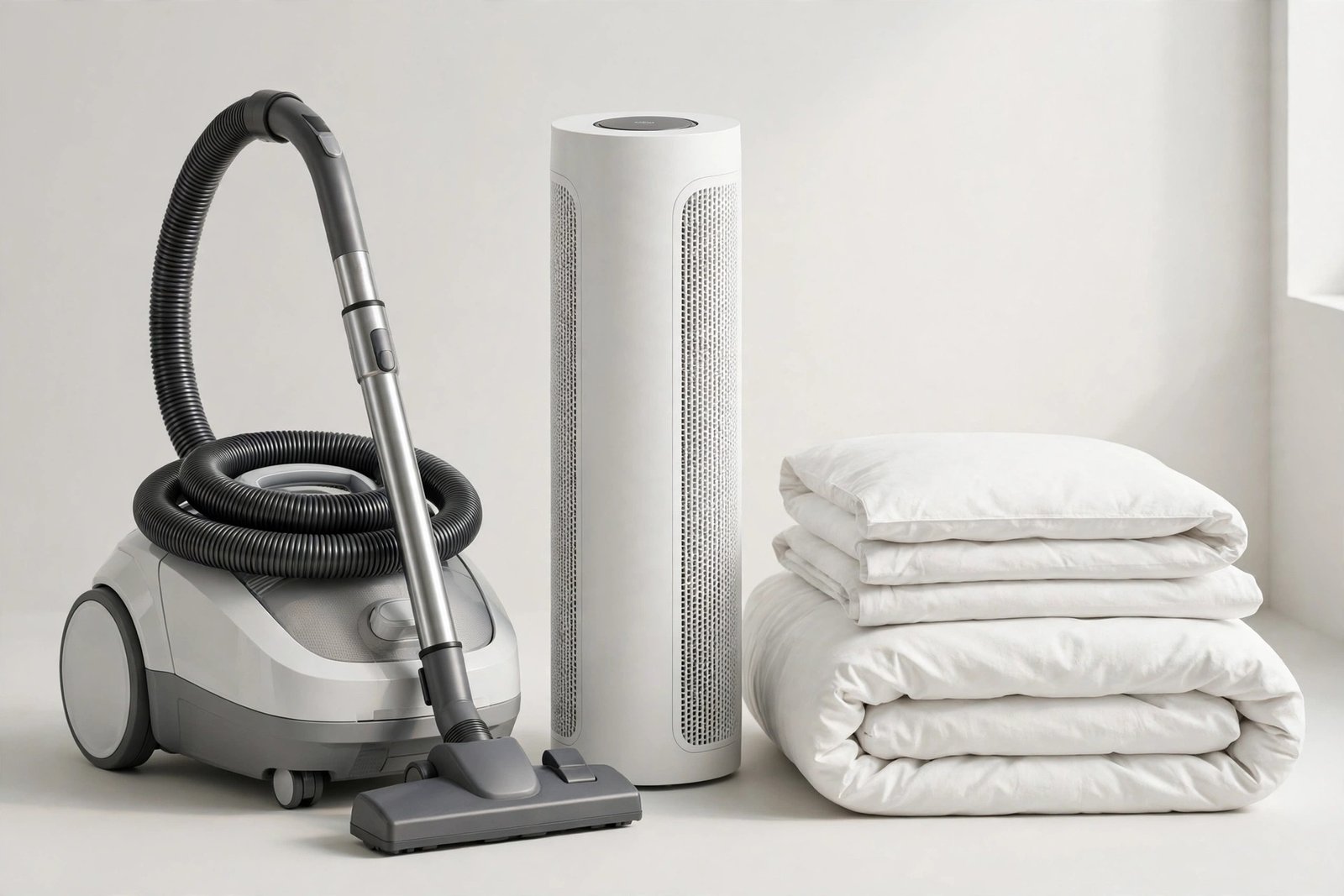
The good news is that a few well-chosen tools change the whole routine. A HEPA filter vacuum cleaner that seals dust inside the machine instead of leaking it back out, damp wiping instead of dry dusting, and an allergy friendly cleaning routine built around washable textiles and damp dusting for allergies all work together to lower the amount of dust floating around your home. These are simply cleaning tools that keep dust where it belongs: captured in a filter, a bag or a washable cloth, rather than drifting through the rooms you live and sleep in.
We have organised this guide the way an allergy-conscious home actually works. There are machines for floors and air, smaller tools for the dust-trapping jobs most people forget — mattresses, curtains, keyboards, vents — and bedding helpers that deal with the room where you spend a third of your life. A proper set of dust mite proof bedding and a regular hot wash do more for a bedroom than any amount of extra vacuuming, while air purifiers for dust allergies quietly handle the particles that stay airborne after the cleaning is done.
You do not need all twelve picks on day one. Most homes get the biggest improvement from three changes: a sealed HEPA vacuum, damp dusting tools, and encasements on the bed. Start with the room that bothers you most — usually the bedroom — and build from there. The picks below explain who each one suits and where people commonly go wrong with hypoallergenic cleaning tools that look right on the box but leak dust in real use.
How We Chose
We compared cleaning gadgets against one demanding test: does this tool actually capture fine dust and keep it captured, or does it just move dust from one place to another? Sealed systems, true HEPA filtration, washable parts and damp-cleaning designs scored highest, because they remove dust from the home instead of stirring it up. Tools that rely on dry sweeping or unsealed filters were left out.
We also weighed the everyday details that decide whether a gadget gets used or gathers dust itself: how heavy it is, how fiddly the filters are to change, and whether attachments reach the awkward places dust loves — under beds, along skirting boards, on top of wardrobes. Owner feedback about leaks and clogging pushed several well-known designs off the list.
Quick List
- Sealed HEPA Bagged Canister Vacuum — traps fine dust in a sealed bag, nothing blows back out.
- HEPA Air Purifier with Washable Pre-Filter — catches the dust that stays floating after cleaning.
- Dust Mite Proof Mattress Encasement — a zippered barrier between you and the mattress.
- Anti-Allergy Pillow Protectors (Set of 2) — washable covers that keep pillows fresher.
- Cordless Stick Vacuum with Sealed HEPA Filtration — quick daily pick-ups without stirring up dust.
- Robot Vacuum with HEPA Filter and Auto-Empty Base — daily dust control with hands-off emptying.
- Steam Mop for Hard Floors — lifts dust and grime with steam, no chemicals.
- Electrostatic Microfibre Dusting Kit — damp and electrostatic dusting that holds onto dust.
- HEPA Handheld Vacuum for Mattresses and Upholstery — a small deep-clean tool for beds and sofas.
- Washable Electrostatic Window and Blind Duster — slats, sills and glass cleaned without dust clouds.
- Air Vent and Radiator Cleaning Brush Set — long brushes for the vents and gaps that hoard dust.
- Compact Dehumidifier with Dust Filter — drier air that dust mites like far less.
1. Sealed HEPA Bagged Canister Vacuum

If you buy one thing from this guide, make it this one. A Sealed HEPA Bagged Canister Vacuum is the anchor of any HEPA filter vacuum cleaner setup because the whole path the air takes — floor head, hose, bag, filter, exhaust — is sealed, so the fine particles that trigger your sneezing stay inside the machine. The self-sealing bag matters as much as the filter: when you change it, the opening closes itself, so the month of collected dust does not puff back into your face.
Check two details before you buy. First, the HEPA filter should be a true HEPA grade, not a “HEPA-style” foam pad. Second, bags and filters should be easy to source, because a clogged filter quietly ruins the seal. The long hose reaches under beds and sofas, where dust layers build up undisturbed for months.
Pros
- 👍 Fully sealed system keeps fine dust inside
- 👍 Self-sealing bags make emptying dust-free
- 👍 Hose reaches under beds and sofas easily
- 👍 Strong, steady suction on carpet and hard floors
Cons
- 👎 Ongoing cost of bags and filters
- 👎 Canister body is heavier to carry upstairs
- 👎 Cord limits range in large rooms
Best for: the main weekly vacuum in a home where dust genuinely affects daily comfort.
Check Price And User Reviews on Amazon
2. HEPA Air Purifier with Washable Pre-Filter

Cleaning stirs dust up before it settles it down, and a HEPA Air Purifier with Washable Pre-Filter deals with that airborne remainder. It draws room air through a washable pre-filter that catches the coarse dust, then through a true HEPA filter that traps the fine fraction, and returns noticeably cleaner air to the room. Run it in the bedroom overnight and during the hour after vacuuming, when the air carries the most suspended dust. Among air purifiers for dust allergies, the washable pre-filter is the feature that pays for itself, because it stretches the life of the main HEPA filter considerably.
Size it to the room: the clean air delivery rate should suit the room’s floor area, and an undersized unit on a low setting does very little. Look for a quiet night mode if it will live beside the bed, and place it away from walls so air can circulate freely around the intake.
Pros
- 👍 Traps fine airborne dust after cleaning
- 👍 Washable pre-filter extends HEPA filter life
- 👍 Quiet night mode suits bedrooms
- 👍 Runs continuously with little effort
Cons
- 👎 Replacement HEPA filters are an ongoing cost
- 👎 Needs floor or shelf space near a socket
- 👎 Does nothing for dust settled in fabrics
Best for: bedrooms and living rooms where airborne dust lingers after cleaning.
Check Price And User Reviews on Amazon
3. Dust Mite Proof Mattress Encasement
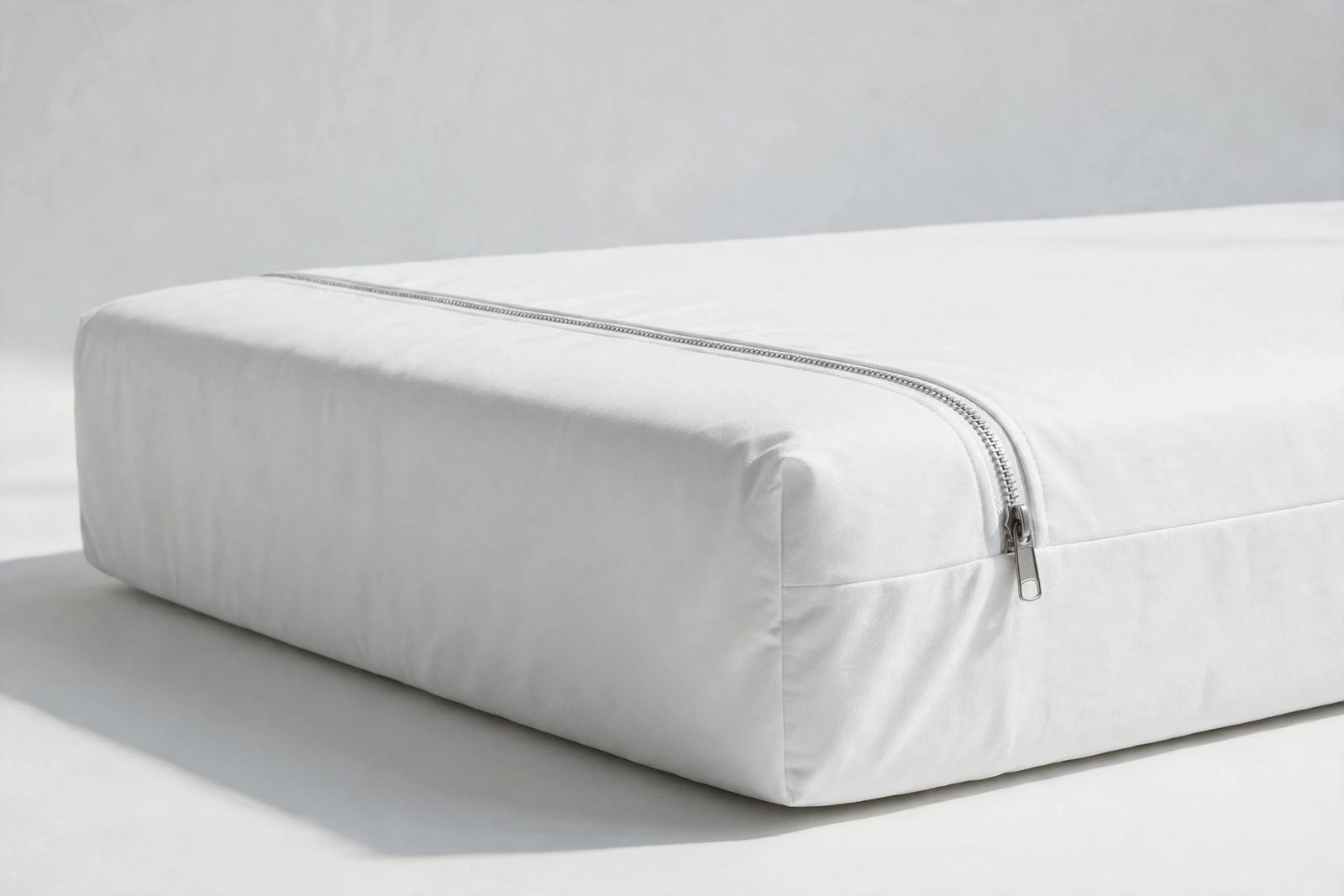
Your mattress is the single largest dust reservoir in the home, and it is the one you lie on for eight hours a night. A Dust Mite Proof Mattress Encasement wraps the whole mattress — not just the top, like an ordinary protector — in a tightly woven fabric with a fine zip, forming a barrier that dust mites and their droppings cannot pass through in either direction. It is the cornerstone of a proper dust mite proof bedding setup, and it works silently for years with no power, no filters and no maintenance beyond an occasional wash.
Measure your mattress depth before ordering, because an encasement that is too shallow strains the zip and one that is too deep bunches under the sheet. Look for a zip with a small flap over the teeth, the one weak point of cheaper covers, and choose breathable woven fabric rather than crinkly plastic-style coatings, which sleep hot and noisy.
Pros
- 👍 Full barrier around the whole mattress
- 👍 No power, filters or ongoing costs
- 👍 Washable and long-lasting
- 👍 Works with your existing sheets and bedding
Cons
- 👎 Two-person job to fit on large mattresses
- 👎 Cheap versions can feel hot or crinkly
- 👎 Must be sized correctly to seal properly
Best for: every bed in the house, starting with the main bedroom.
Check Price And User Reviews on Amazon
4. Anti-Allergy Pillow Protectors (Set of 2)
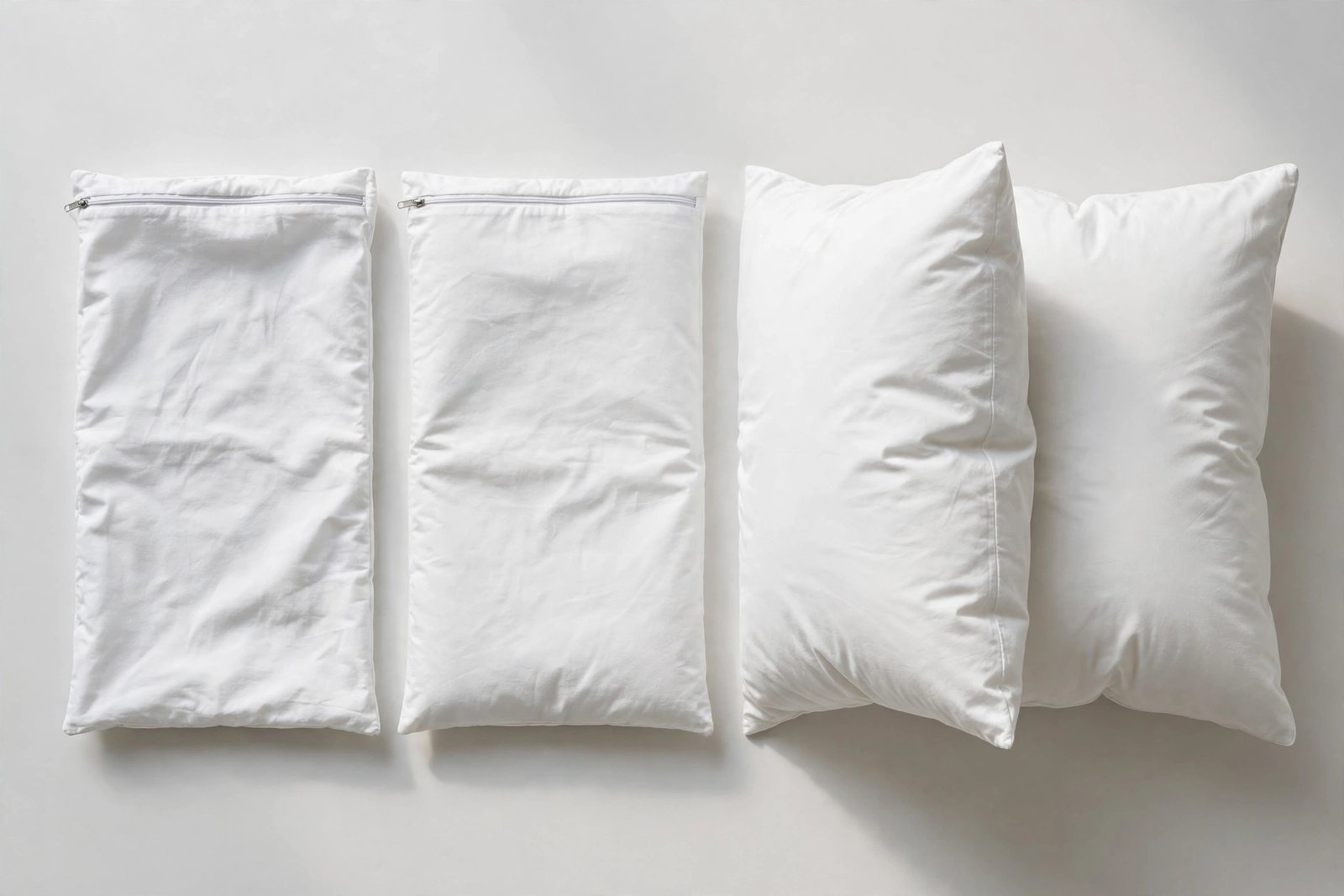
Pillows collect dust, skin flakes and moisture night after night, and they sit directly under your face. Anti-Allergy Pillow Protectors slip under your normal pillowcase and zip shut, using the same fine-weave barrier idea as a mattress encasement, so what builds up inside the pillow stays inside the pillow. They are among the cheapest wins in dust mite proof bedding, and because they are washable, you can keep the surface you breathe against genuinely clean week after week.
Buy two sets per pillow if you can: one on the pillow, one in the wash, so there is never a reason to skip a week. Check the size against your pillows — standard, king and European square sizes all differ — and choose a smooth, quiet fabric so the zip and weave do not rustle every time you turn over. Wash them with the bedding on a hot wash, following the care label.
Pros
- 👍 Inexpensive and immediately useful
- 👍 Washable, so the barrier stays clean
- 👍 Extends the life of your pillows
- 👍 Silent, soft fabric sleeps like a normal case
Cons
- 👎 Need regular washing to stay effective
- 👎 Wrong size bunches under the pillowcase
- 👎 Zips can fail on the cheapest sets
Best for: anyone whose symptoms are worst first thing in the morning.
Check Price And User Reviews on Amazon
5. Cordless Stick Vacuum with Sealed HEPA Filtration
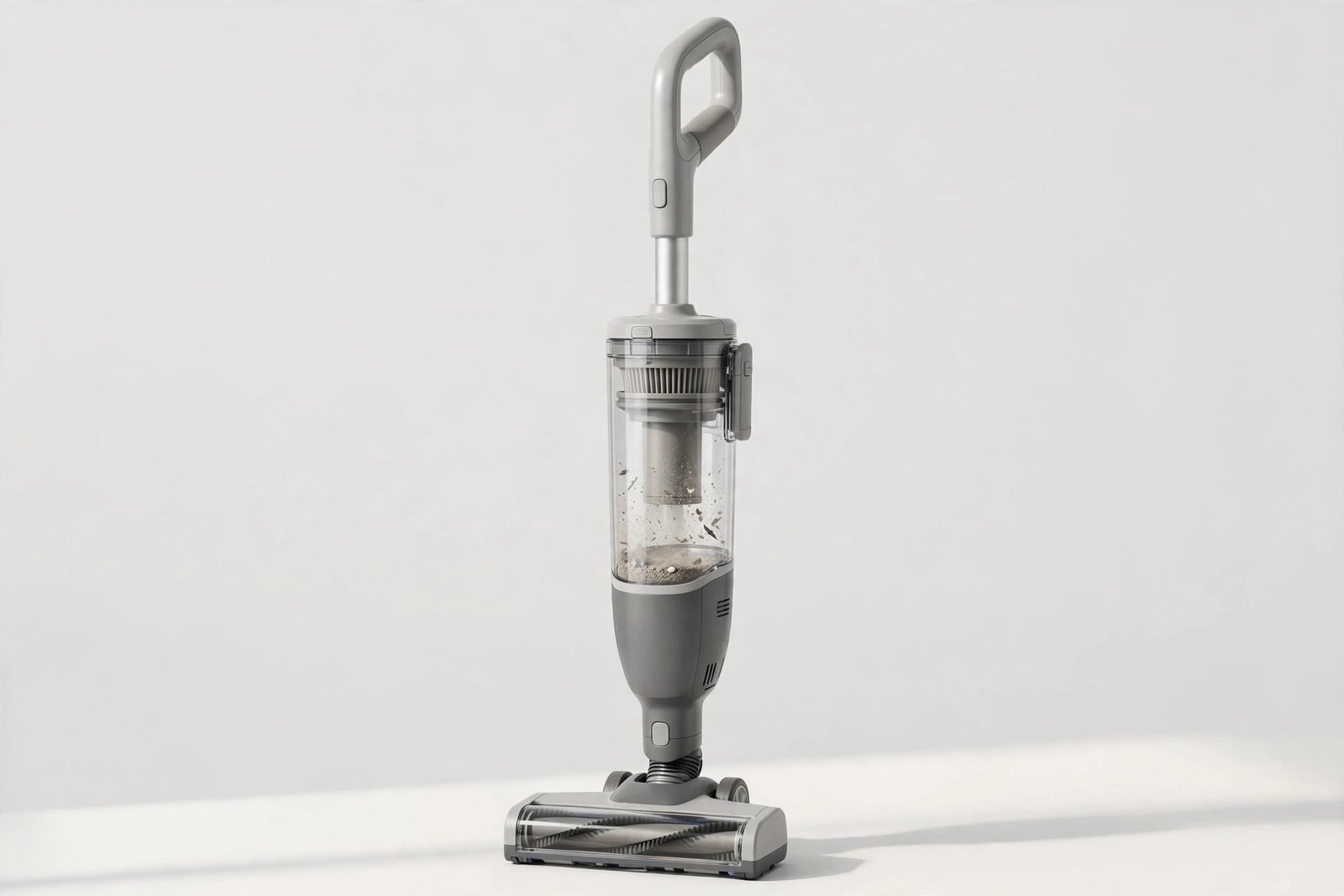
Not every clean needs the big canister. A Cordless Stick Vacuum with Sealed HEPA Filtration handles the daily layer — crumbs by the door, dust along the hallway, the visible film that settles on hard floors within days — so it never builds into a deep layer that takes an hour to shift. The word “sealed” is doing real work here: plenty of stick vacuums carry a HEPA badge but leak around the bin and joints, so look for a model that states the whole system is sealed, and judge any HEPA filter vacuum cleaner claim by that, not by the sticker alone.
Empty the bin carefully — outdoors or into a bag you can close — because bin emptying is where a cordless vacuum gives its dust back. Battery life of around half an hour covers most flats; keep it docked near the hall so the quick daily pass actually happens.
Pros
- 👍 Grab-and-go for daily dust control
- 👍 Sealed HEPA system suits allergy homes
- 👍 Light and easy on stairs
- 👍 Converts to handheld for furniture
Cons
- 👎 Bin emptying can puff dust if rushed
- 👎 Battery limits whole-house deep cleans
- 👎 Smaller bin fills quickly in pet homes
Best for: daily maintenance between deeper weekly cleans.
Check Price And User Reviews on Amazon
6. Robot Vacuum with HEPA Filter and Auto-Empty Base

The most effective dust routine is the one that runs whether you feel like it or not. A Robot Vacuum with HEPA Filter and Auto-Empty Base can sweep the main rooms daily, picking up the surface dust before it gets walked into carpets or kicked back into the air, and then empty itself into a sealed bag inside its base — so you handle collected dust once every few weeks, not every day. It fits perfectly into an allergy friendly cleaning routine precisely because it removes the willpower from daily floor care, and it can run while you are out.
Check that the base uses sealed bags rather than an open bin, and that the robot’s own filter is washable or easy to replace. Mapping helps in homes with many rooms, and a model that avoids carpets on mop mode keeps rugs from getting damp. Keep the brushes and wheels on a simple cleaning schedule, because a clogged robot quietly stops picking up the fine dust it was bought for.
Pros
- 👍 Daily cleaning without daily effort
- 👍 Sealed auto-empty base limits dust contact
- 👍 Reaches under sofas and beds
- 👍 Can run while you are out of the house
Cons
- 👎 Not a replacement for deep carpet cleaning
- 👎 Base bags are another ongoing cost
- 👎 Brushes need regular de-hairing and cleaning
Best for: keeping hard floors and low-pile rugs dust-light every single day.
Check Price And User Reviews on Amazon
7. Steam Mop for Hard Floors
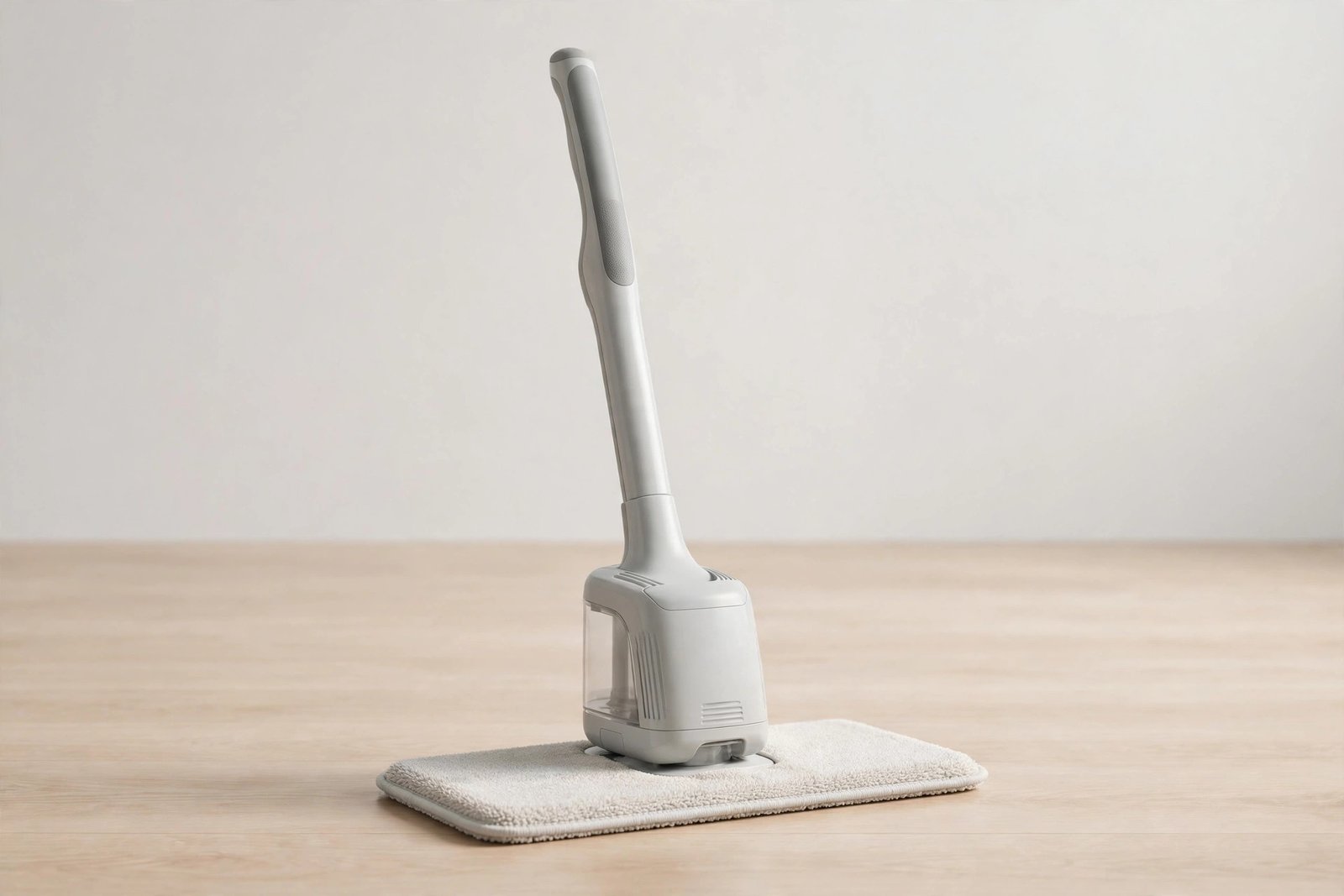
On hard floors, water beats air. A Steam Mop for Hard Floors heats water into steam that loosens dust, grit and dried spills, then captures the lot in a washable pad — nothing is blown around the room, and no chemical cleaner is needed, which matters in homes where fragrances and sprays are their own irritant. As one of the simplest hypoallergenic cleaning tools you can own, it turns the kitchen and bathroom floors from dust-and-grit traps into surfaces that stay genuinely clean between vacuums.
Vacuum or sweep first: steam mopping a floor covered in loose dust makes mud, not cleanliness. Check your flooring before you buy, because steam suits sealed tile, vinyl and laminate but can damage unsealed wood and some waxed finishes. Washable pads beat disposable ones on cost and waste; keep two or three in rotation so a clean pad is always ready.
Pros
- 👍 Cleans with water only, no sprays or fragrance
- 👍 Washable pads trap dust instead of spreading it
- 👍 Heats up and is ready in under a minute
- 👍 Swivel head reaches under kitchen units
Cons
- 👎 Not suitable for unsealed wood floors
- 👎 Cord can be short on cheaper models
- 👎 Pads need washing after every use
Best for: kitchens, bathrooms and hallways with sealed hard flooring.
Check Price And User Reviews on Amazon
8. Electrostatic Microfibre Dusting Kit

Traditional dusting is the worst job in an allergy home: a dry cloth pushes most of the dust into the air and onto the floor. An Electrostatic Microfibre Dusting Kit works the opposite way — the fibres hold a slight static charge and a split-fibre texture that grips dust and carries it away, and used very slightly damp it captures close to everything it touches. A kit with an extendable handle covers the high shelves, picture rails and wardrobe tops where dust layers grow thickest between cleans, and it is the heart of practical damp dusting for allergies: dust leaves the house in the wash, not via your lungs.
Wash the heads regularly without fabric softener, which coats the fibres and kills the grip. Dust top surfaces first, working down, so anything that does escape falls onto surfaces you have not cleaned yet.
Pros
- 👍 Grips dust instead of flicking it airborne
- 👍 Extendable handle reaches high dust traps
- 👍 Washable heads, no disposable refills
- 👍 Cheap, silent and always ready
Cons
- 👎 Heads lose grip if washed with softener
- 👎 Very heavy dust layers need a vacuum first
- 👎 Cheap fibres shed and work poorly
Best for: shelves, electronics, picture frames and all the flat surfaces between floor and ceiling.
Check Price And User Reviews on Amazon
9. HEPA Handheld Vacuum for Mattresses and Upholstery

Beds and sofas need more than a once-over with the floor vacuum. A HEPA Handheld Vacuum for Mattresses and Upholstery is built for fabric surfaces: a wide flat head, moderate suction that will not tear covers, and often a vibrating or rotating pad that loosens dust and debris from the weave so the suction can lift it out. Run it over the mattress whenever you change the sheets and over sofa cushions weekly, and it pairs naturally with dust mite proof bedding — the encasements keep new dust out of the mattress, and this keeps the surface you actually touch clean.
Empty it into an outside bin and clean its filter on schedule, because a small machine with a clogged filter quickly becomes a dust blower. Corded models give steady power for a whole bed; cordless ones are handier for the sofa and car seats. Avoid using it on delicate or loosely woven upholstery without testing a hidden patch first.
Pros
- 👍 Designed for mattresses and sofa fabric
- 👍 Loosening pad lifts dust from the weave
- 👍 Light enough for a weekly routine
- 👍 HEPA filtration keeps exhaust air clean
Cons
- 👎 Small bin needs frequent emptying
- 👎 Filter clogs fast if not maintained
- 👎 Not a substitute for washing bedding
Best for: the sheet-change routine and weekly sofa refreshes.
Check Price And User Reviews on Amazon
10. Washable Electrostatic Window and Blind Duster
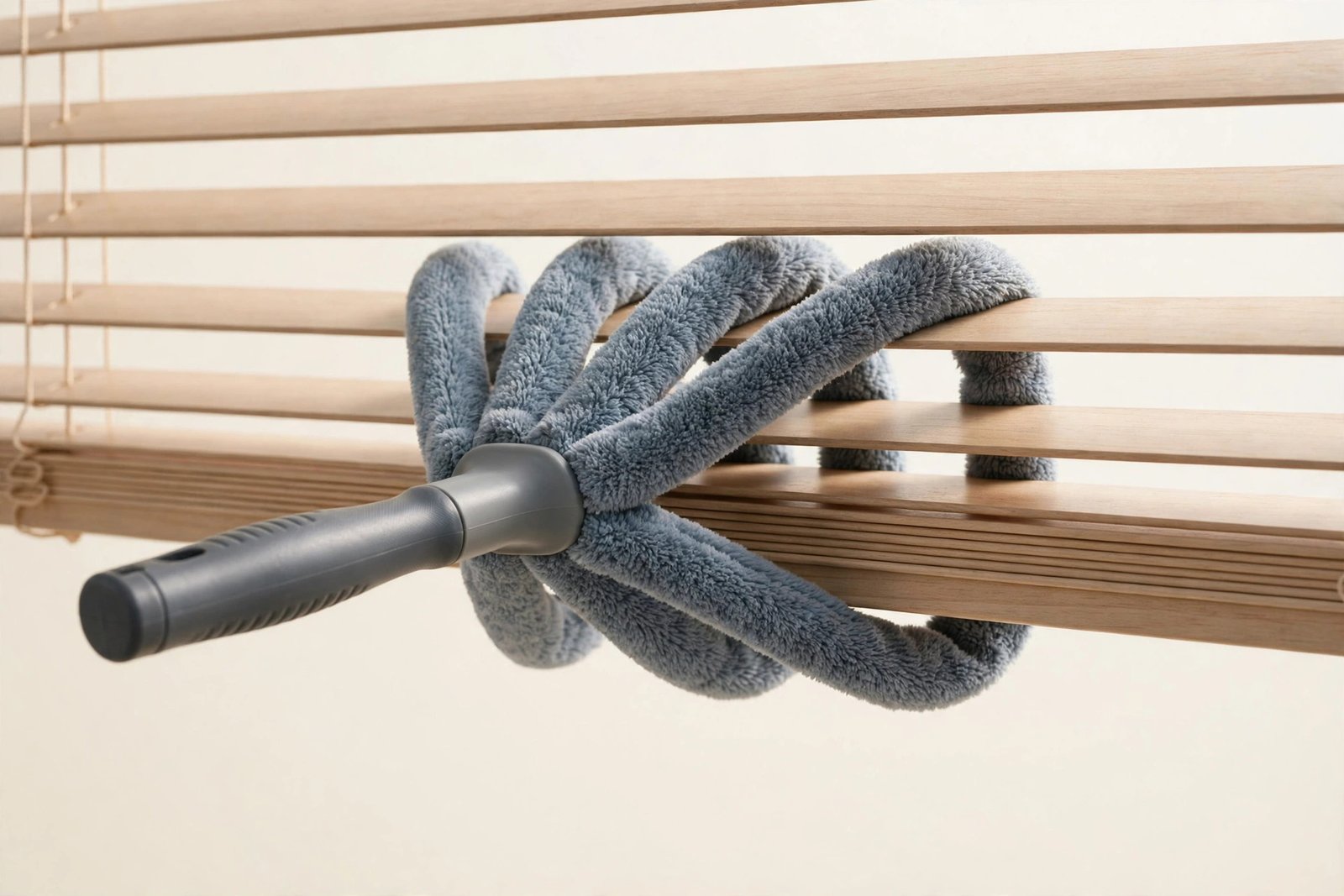
Blinds are dust shelves hanging in front of your windows, and most people avoid cleaning them because the dust goes everywhere. A Washable Electrostatic Window and Blind Duster has soft fingers or pads that slide along several slats at once, gripping dust on both sides instead of sweeping it into the room. The heads wash clean, so the dust leaves in the laundry water. Used slightly damp, it is exactly the kind of damp dusting for allergies tool that turns a dreaded monthly job into ten quiet minutes — and it handles sills, shutters and glass-fronted cabinets just as well.
Work from the top slat down, and rinse or swap the head when it looks loaded, because a saturated head starts leaving dust behind. For very neglected blinds, vacuum first with a brush attachment, then finish with the duster. Check that the handle is long enough to reach the top of tall windows without a step stool wobble.
Pros
- 👍 Cleans several slats at once, both sides
- 👍 Washable heads mean dust leaves in the wash
- 👍 Also suits shutters, sills and vents
- 👍 No sprays or disposable wipes needed
Cons
- 👎 Struggles with greasy kitchen blinds
- 👎 Heads need rinsing mid-job on dusty homes
- 👎 Awkward on very wide or heavy slats
Best for: venetian and roller blinds, shutters and window sills.
Check Price And User Reviews on Amazon
11. Air Vent and Radiator Cleaning Brush Set

Some of the worst dust in a home hides where no cloth can reach: inside radiator fins, behind bathroom extractor vents, along the grille of a fan heater. Every time warm air moves through them, it carries that dust back into the room. An Air Vent and Radiator Cleaning Brush Set — long, flexible brushes in a few thicknesses — slides into those gaps and pulls out the grey felt of dust that builds up over a heating season. It is one of those hypoallergenic cleaning tools nobody thinks of until they see what comes out of a radiator that looked clean from the front.
Brush the dust down onto a damp cloth or straight into a vacuum nozzle held underneath, so it is captured rather than dropped. Do radiators before the heating season starts and again mid-winter. Flexible handles matter more than brush count: a set that bends reaches where dust packs tightest.
Pros
- 👍 Reaches dust no cloth or vacuum head can
- 👍 Flexible handles suit most radiator styles
- 👍 Very cheap for the difference it makes
- 👍 Also fits vents, dryer lint gaps and coils
Cons
- 👎 Loosened dust must be caught, not dropped
- 👎 Thin brushes can bend out of shape
- 👎 A fiddly job the first time you do it
Best for: radiator fins, extractor vents and heater grilles before and during winter.
Check Price And User Reviews on Amazon
12. Compact Dehumidifier with Dust Filter
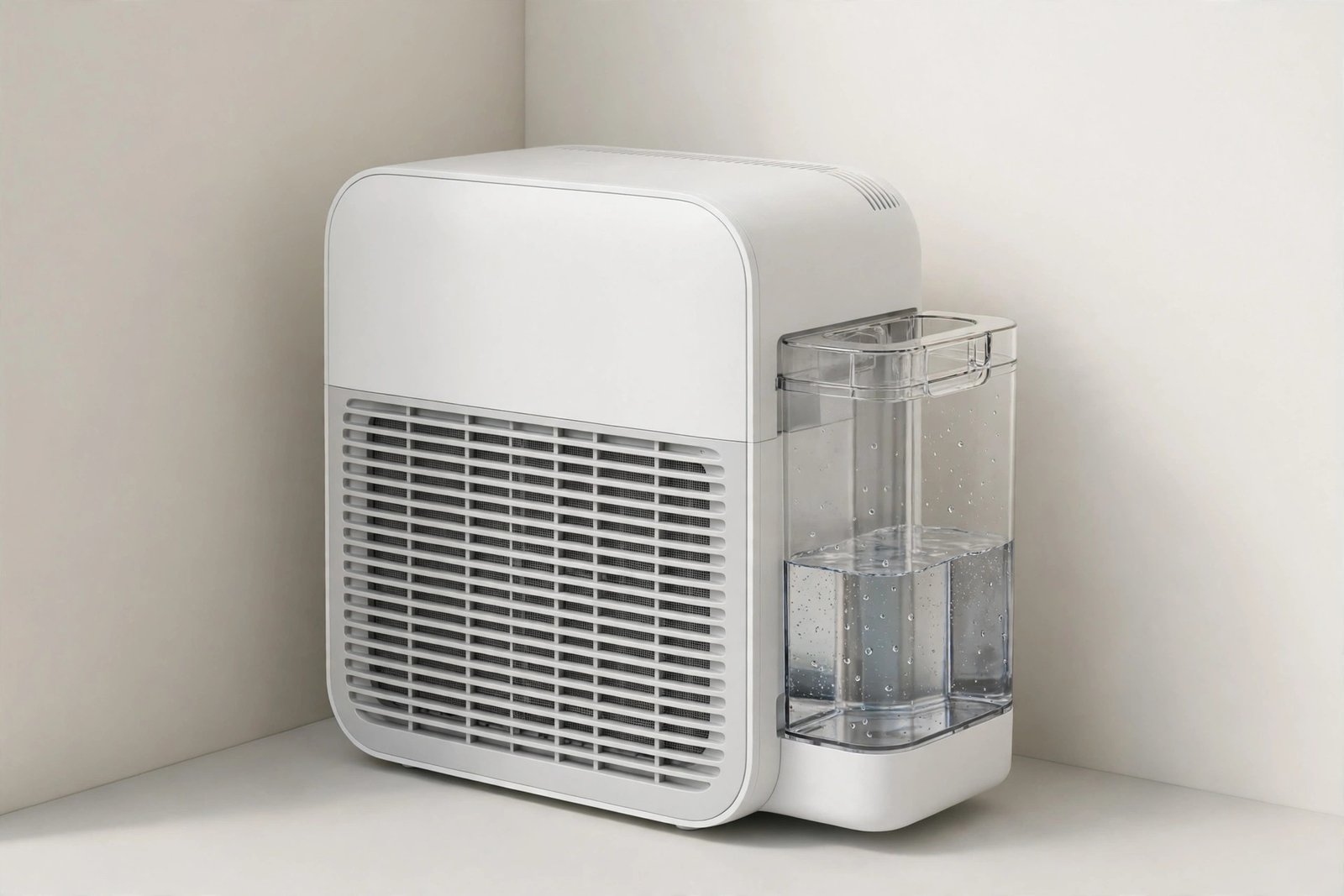
Dust mites thrive in warm, humid bedding and carpets, and they struggle when indoor air stays drier. A Compact Dehumidifier with Dust Filter pulls moisture from the air of a bedroom or living room, and its washable intake filter catches a share of the room’s coarse dust on the way through. It quietly supports an allergy friendly cleaning routine in damp flats and winter months when windows stay shut.
Choose capacity by room size and how damp the home actually is; a tiny desktop unit will not change a whole bedroom. A built-in humidistat that holds a target level is more useful than raw power, and a continuous drain option saves emptying the tank in very damp homes. Keep the intake filter rinsed and dry, since a clogged filter makes the machine work harder for less benefit.
Pros
- 👍 Drier air is less hospitable to dust mites
- 👍 Washable intake filter catches coarse dust
- 👍 Helps bedding and laundry dry faster
- 👍 Reduces window condensation in winter
Cons
- 👎 Uses electricity whenever it runs
- 👎 Tank needs emptying without a drain hose
- 👎 Undersized units make little difference
Best for: damp bedrooms and flats where windows stay closed through winter.
Check Price And User Reviews on Amazon
What to Look for Before You Buy
Start with the seal, not the sticker. For any vacuum or purifier, the question that matters is whether the whole system is sealed and fitted with a true HEPA filter, because an unsealed machine still leaks fine dust around its bin, joints and exhaust. It is the first thing to verify in the product description and owner reviews before spending anything.
Second, think in terms of dust’s three hiding places and cover each one: the air (a purifier and ventilation), the floors (a sealed vacuum and damp mopping), and fabrics (encasements, hot-washable textiles, a mattress vacuum). Buying three machines that all do the floor leaves the bedroom — where most people react most — untouched. It is also worth remembering that these tools support comfort and cleanliness only: please follow your doctor’s advice for managing your allergy itself, and treat any gadget as one part of that wider plan, never a replacement for it.
Third, count the running costs honestly. Bags, HEPA filters, purifier filters and replacement pads are part of the price of every powered pick in this guide, and a machine you cannot afford to maintain stops trapping dust the month its filter clogs. Check that consumables are easy to find before you buy, and favour washable parts where they exist.
Finally, match the tool to the habit you will actually keep. A robot that runs daily beats a superb canister that comes out monthly; a dusting kit by the cupboard door gets used, while one in a sealed box does not. Dust control is a rhythm, not an event, so choose the versions of these tools that fit your rooms, your storage and your patience, and build the routine one room at a time.
Final Thoughts
A dust-allergy home does not need harsher cleaning — it needs smarter capture. Seal the dust into a bagged HEPA vacuum, wipe it away with damp microfibre instead of flicking it into the air, wash it out of bedding on a hot cycle, and let a purifier handle what stays floating. Put together, those habits form an allergy friendly cleaning routine that steadily lowers the dust load of the whole house, and most people feel the difference in their rooms within a few weeks of consistent cleaning.
Start where you sleep. Encase the mattress and pillows, vacuum the bedroom slowly with a sealed machine, and damp-dust the surfaces you have ignored for months. Then extend the same approach room by room, adding tools from this guide as the routine settles. The best cleaning gadgets for people with dust allergies are simply the ones that trap dust and keep it trapped — everything else is decoration.
More Guides You’ll Like
For the step-by-step routine behind this kit list, start with our companion guide How to Reduce Dust in Your Home, which covers room-by-room dust control in the order that works best. If pets share your home, Best Cleaning Gadgets for Homes with Pets and Pet Hair and its companion How to Remove Pet Hair from Your Home cover the hair-and-dander side of the same problem, while Best Quiet Cleaning Gadgets for Homes with a Sleeping Baby rounds up low-noise tools for homes where cleaning has to happen gently.
Frequently Asked Questions
What makes a vacuum suitable for a home with dust allergies?
Two things: true HEPA filtration and a sealed system. The filter grade decides what the machine can trap, and the seal decides whether trapped dust stays trapped. Bagged models with self-sealing bags add one more layer of protection. Whatever HEPA filter vacuum cleaner you choose, look for the words “sealed system” in the specification.
Is dry dusting really that bad if I have a dust allergy?
Dry dusting mostly relocates dust — a large share of what leaves the shelf lands in the air and then resettles on lower surfaces, which is why the room can feel worse right after dusting. Damp dusting for allergies works better because a slightly damp or electrostatic cloth holds the dust until it is rinsed or washed away. If you must dry-dust a delicate item, do it gently, slowly, and follow with a vacuum pass to collect what fell.
How often should I wash bedding to keep dust mites down?
Sheets and pillowcases do best on a weekly hot wash, following the care labels, and duvets and pillows themselves every few months. The encasements in this guide only need washing a few times a year, because their job is to be a barrier rather than a collecting surface. Combined with air purifiers for dust allergies in the bedroom and a weekly mattress vacuum, a steady washing rhythm keeps the bed — the room’s biggest dust source — under control.
Can an air purifier replace vacuuming in an allergy home?
No — they do different jobs. A purifier only handles dust while it is airborne, and most household dust settles onto floors, fabrics and shelves within minutes to hours, far below any purifier’s intake. The purifier earns its place after cleaning, catching the suspended fraction while it settles, especially overnight in the bedroom. Think of hypoallergenic cleaning tools as a team: vacuum and damp-wipe for surfaces, wash for fabrics, purify for the air.