

How to Keep Warm at Home When You Are Always Cold
Some people feel cold in a house that everyone else finds perfectly warm, and learning how to keep warm at home when you are always cold can make the difference between a comfortable winter and months of shivering indoors. The secret is to warm the person first and the room second: layers, warm drinks, a heated throw and a little movement will do more than turning the heating up for the whole house, and they cost far less too.
The method has four parts, and each one helps on its own. The first is your own warmth: dress in layers, keep your feet and hands warm, and use a heated throw or a warm cushion where you sit. The second is the room you are in: heat the space you actually use, and keep that warmth from escaping. The third is the house itself: stop the draughts and the cold surfaces that steal heat from a room. And the fourth is your daily routine: a little movement, a warm drink and regular meals all keep your body warmer through the day. This guide walks through each part, so you can feel warm at home all winter long.
Warm the Person First
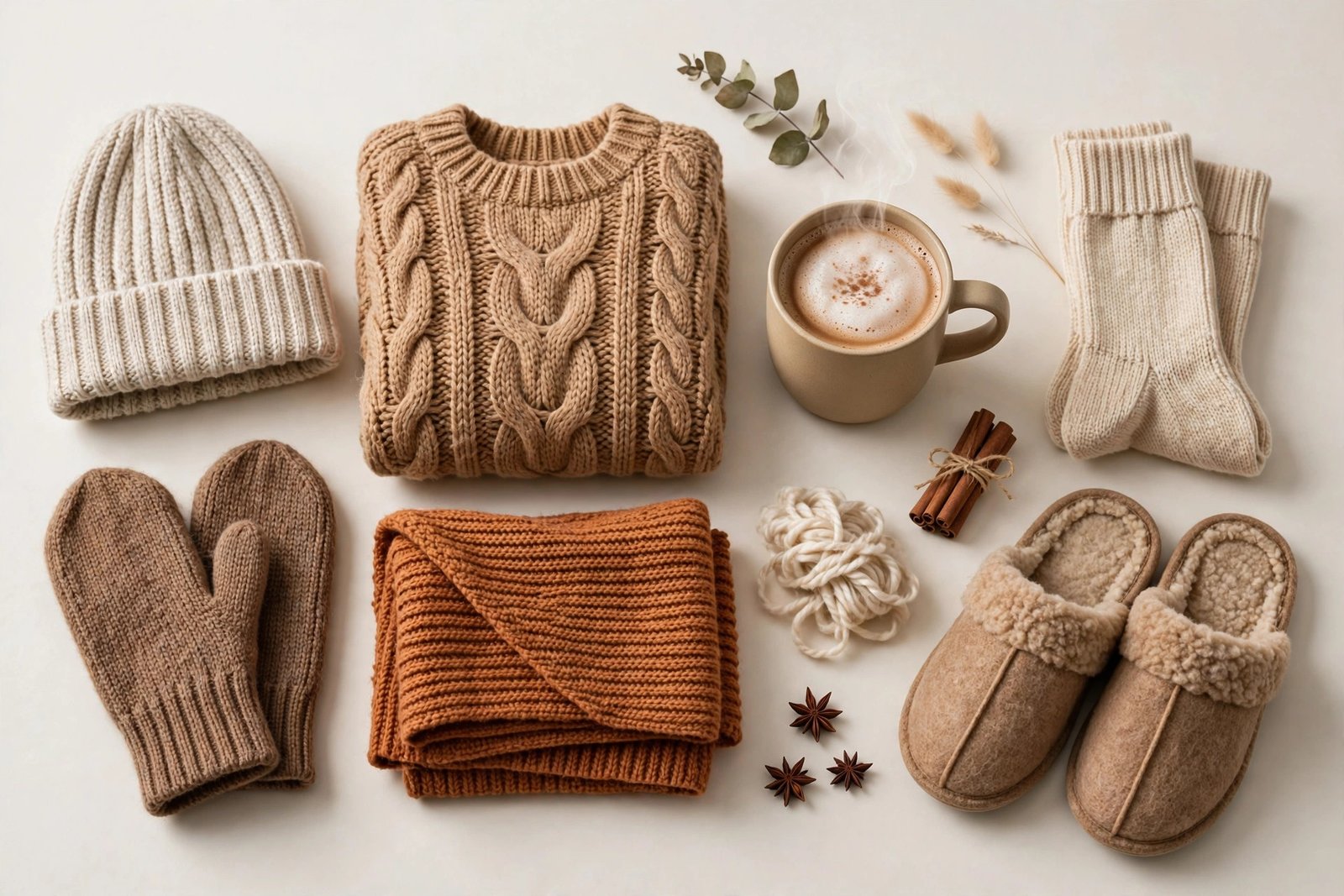
The cheapest heat is the heat you wear. Start with a warm base layer close to your skin — a thermal vest or a long-sleeved cotton top — and add layers on top: a jumper, then a fleece or a cardigan you can take off when you warm up. Layers trap air between them, and trapped air is what keeps you warm, so three thin layers will keep you warmer than one thick jumper. Pay attention to your legs too: warm leggings or thermal bottoms under your trousers make a surprising difference on a cold day.
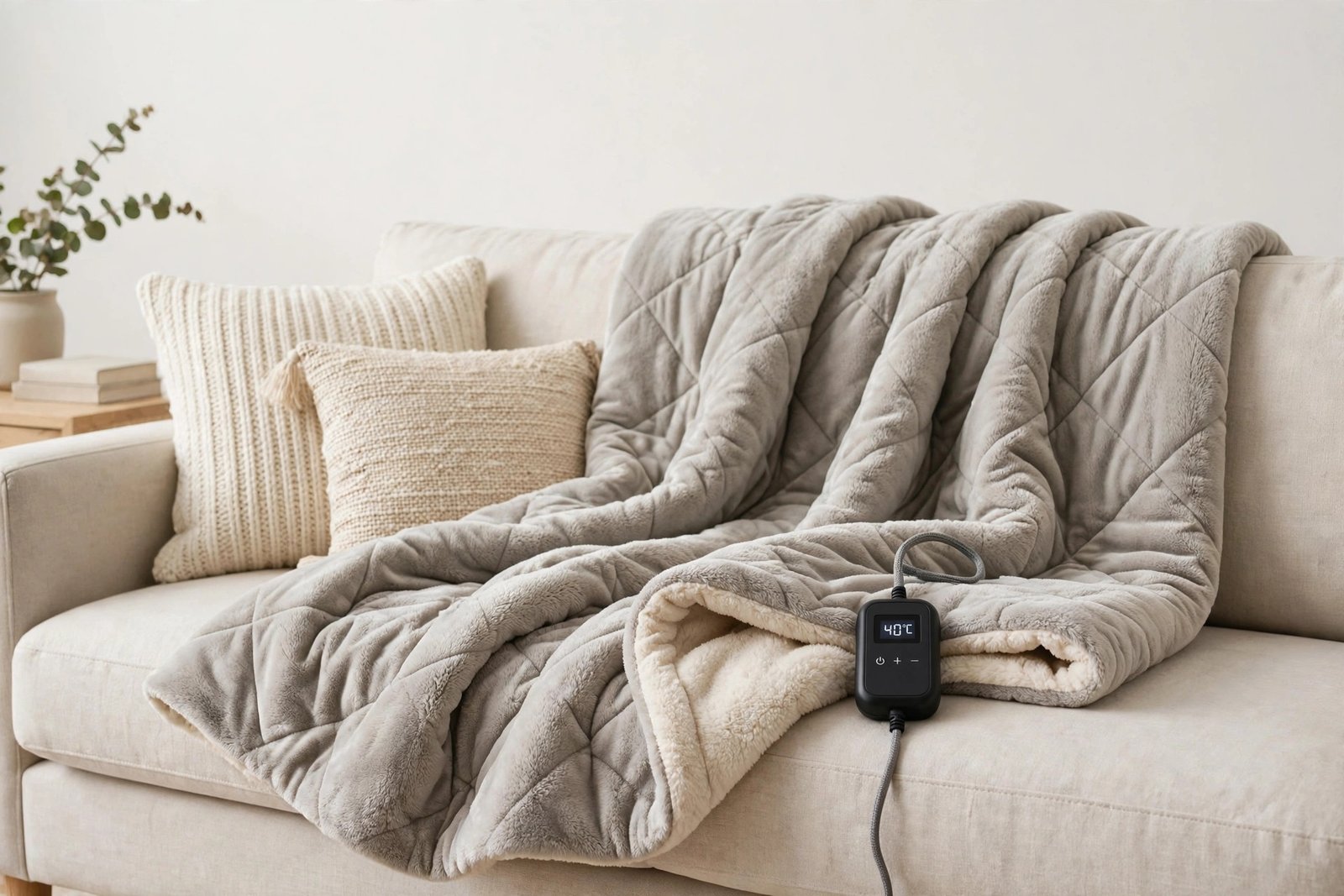
Feet and hands lose heat fastest, so keep them covered. Warm socks, slippers with a lining, and a pair of house shoes will keep your feet warm on a cold floor, and fingerless gloves let you work, read or type while your hands stay warm. A heated throw or a warm cushion where you sit is the single most comforting thing for someone who is always cold — it warms you directly, without heating the whole room, and it follows you from the sofa to the armchair to the bed.
Keep a warm layer by the door, too, for the moments when the house feels coldest: coming in from outside, first thing in the morning, and late in the evening. A dressing gown over your clothes, or a thick cardigan kept on the hook by the door, is there when you need it and off again when you warm up — and it is far quicker than waiting for the heating to catch up.
Finally, warm yourself from the inside with a hot drink. A cup of tea, coffee, hot chocolate or simply hot water with lemon warms your hands as you hold it and warms you from within as you drink it. Keep a kettle nearby when you are sitting for a long time, and make a drink part of your routine — one when you sit down to work, one in the afternoon, and one in the evening before bed.
Warm the Room You Are In
Heating the whole house to keep one person warm is wasteful, so heat the room you are actually in. Close the doors of the rooms you are not using, so the heat stays where you are, and use a small heater in that room if the main heating does not reach it — a small heater in a closed room warms it far faster than the same heater in an open-plan space. Sit near the heat source, and keep the door closed behind you when you come in.
Use the sun while it lasts. Open the curtains on south-facing windows in the morning, so the low winter sun warms the room, and close them as soon as the sun moves away, so the warmth does not escape through the glass. A sunny windowsill can warm a whole room by a degree or two on a bright winter day — free heat, and the simplest kind there is.
Keep the room cosy with soft furnishings. A thick rug on a bare floor stops the cold rising through your feet, heavy curtains at the windows hold the heat in, and a draught excluder at the door keeps the warm air where it belongs. A room with a rug, curtains and soft seating feels warmer than a bare room at the same temperature — because comfort is partly about how a room feels, not only how warm the air is.
And use the warmth you already make. Cooking, a hot bath and even a kettle all give off heat, so leave the kitchen door open after cooking, and leave the bathroom door open after a hot shower, so the warm, steamy air drifts into the rest of the house instead of being shut away. Small amounts of heat, used well, add up to a warmer home.
Stop the Heat Escaping
A warm room with a draught is a room that never feels warm, so the next step is to find where the heat escapes. Run your hand along the edges of doors and windows on a cold day: a cold draught on your hand is a leak, and most houses have several. A draught excluder at the bottom of a door, a strip of self-adhesive draught seal around a window frame, and a letterbox brush will close the worst of them in an afternoon — and the room will feel warmer at once.
Windows lose more heat than any other part of a house. Heavy curtains that reach the floor, closed at dusk, are the simplest fix, and a thermal lining makes them work even better. For windows you rarely open, a sheet of insulation film or a secondary glazing panel adds a layer of still air, which is one of the best insulators there is. And check the window frames themselves: a bead of sealant around a cracked frame stops a draught that a curtain cannot.
Do not forget the floor. A bare wooden or tiled floor can feel bitterly cold underfoot, and it pulls heat out of the room from below. A thick rug with a felt underlay is the quickest fix, and it makes the room feel warmer the moment you step onto it. If the floor has gaps between the boards, a draught-proofing filler will close them — and it stops the cold air rising from below as well as the warm air escaping downwards.
Finally, look up: heat rises, and a high ceiling or an open stairwell can carry the warmth away from where you sit. A curtain across a stairwell, a door kept closed at the top of the stairs, or a simple draught excluder at the foot of the stairs keeps the heat in the living rooms. Warm air should stay where the people are — and a little blocking and sealing keeps it there.

Build Warmth Into the Day
Movement is the body’s own heater. A short walk, a few minutes of stretching, or simply getting up and moving around the house every hour will warm you far better than sitting still in a cold room — and the warmth lasts after you sit down again. If you work at a desk, stand up and move every hour: make a drink, walk to another room, stretch your arms and legs. A body that moves stays warm; a body that sits still for hours cools down.
Eat regularly, and eat warm food when you can. A hot breakfast, a warm lunch and a hot evening meal all raise your body temperature from the inside, and regular meals keep your energy steady through the day. A bowl of soup, a hot stew or a warm drink with a meal is worth more than a cold snack eaten on the run — and a slow cooker, left on through the afternoon, warms the kitchen as well as the meal.
Keep a warm routine in the evening, when the house is coldest. A warm bath or shower before bed raises your temperature and then lets it fall gently, which helps you sleep — and a heated blanket or a warm hot-water bottle in the bed means you climb into warmth instead of cold sheets. Keep your night clothes warm too: lay them on a radiator for a few minutes before bed, or keep them under the covers during the day.
And if you feel cold all the time, even in a warm house and with warm clothes on, it is worth speaking to a health professional about it. Feeling cold can sometimes be a sign that something else needs attention, and a quick check can put your mind at rest — so if the cold does not improve with layers, warmth and movement, ask a doctor about it. Most of the time the answer is simply layers, draughts and routine, but it is always worth checking when something feels different about your body.

Final Thoughts
Keeping warm at home when you are always cold is a matter of small habits working together: layers that trap warmth, a heated throw where you sit, a room heated where you actually are, draughts sealed, and a day built around movement, warm food and warm drinks. No single step does the whole job, but together they make a cold house feel warm — and they cost far less than heating the whole home all day.
Start today with the easiest steps: put on a warm layer, make a hot drink, and close the door of the room you are sitting in. Then add a heated throw, a draught excluder and a rug over the next few days. A home where you feel warm, in the room where you sit, is a comfortable place to spend the winter — and these habits make it one.
More Guides You’ll Like
For the gadgets that make all of this easier — heated throws, foot warmers, and personal heating picks — see our product guide to the Best Personal Heating Gadgets for People Who Are Always Cold, which rounds up twelve picks chosen for people who feel the cold. And for warm mornings in a cold house, Best Heated Bathroom Gadgets for Cold Mornings in Winter Months covers the first room of the day.
Frequently Asked Questions
Why do I feel cold at home when others feel warm?
People feel temperature differently — body size, age, activity level and circulation all affect how warm you feel, and sitting still for hours cools the body down. Layers, warm feet, a heated throw and regular movement will usually close the gap, so you feel as warm as everyone else in the same room.
What is the best way to warm up quickly at home?
Put on a warm layer, make a hot drink, and wrap yourself in a heated throw or a warm blanket — direct warmth on your body works far faster than waiting for a room to heat up. A short walk around the house or a few minutes of stretching will warm you further, and a warm bath or shower is the quickest way to warm up thoroughly.
How can I keep one room warm without heating the whole house?
Close the doors of the rooms you are not using, heat only the room you are in, and seal its draughts — a draught excluder at the door, heavy curtains at the window and a rug on the floor all hold the warmth in. A small heater in a closed room warms it far faster than heating an open-plan space.
When should I see a doctor about always feeling cold?
If you feel cold all the time even in a warm house, with warm clothes on and after trying layers, warmth and movement, it is worth speaking to a health professional. Feeling cold can sometimes be a sign that something else needs attention, so a quick check is the sensible step — most of the time the answer is layers and draughts, but it is always worth checking.



One Comment