
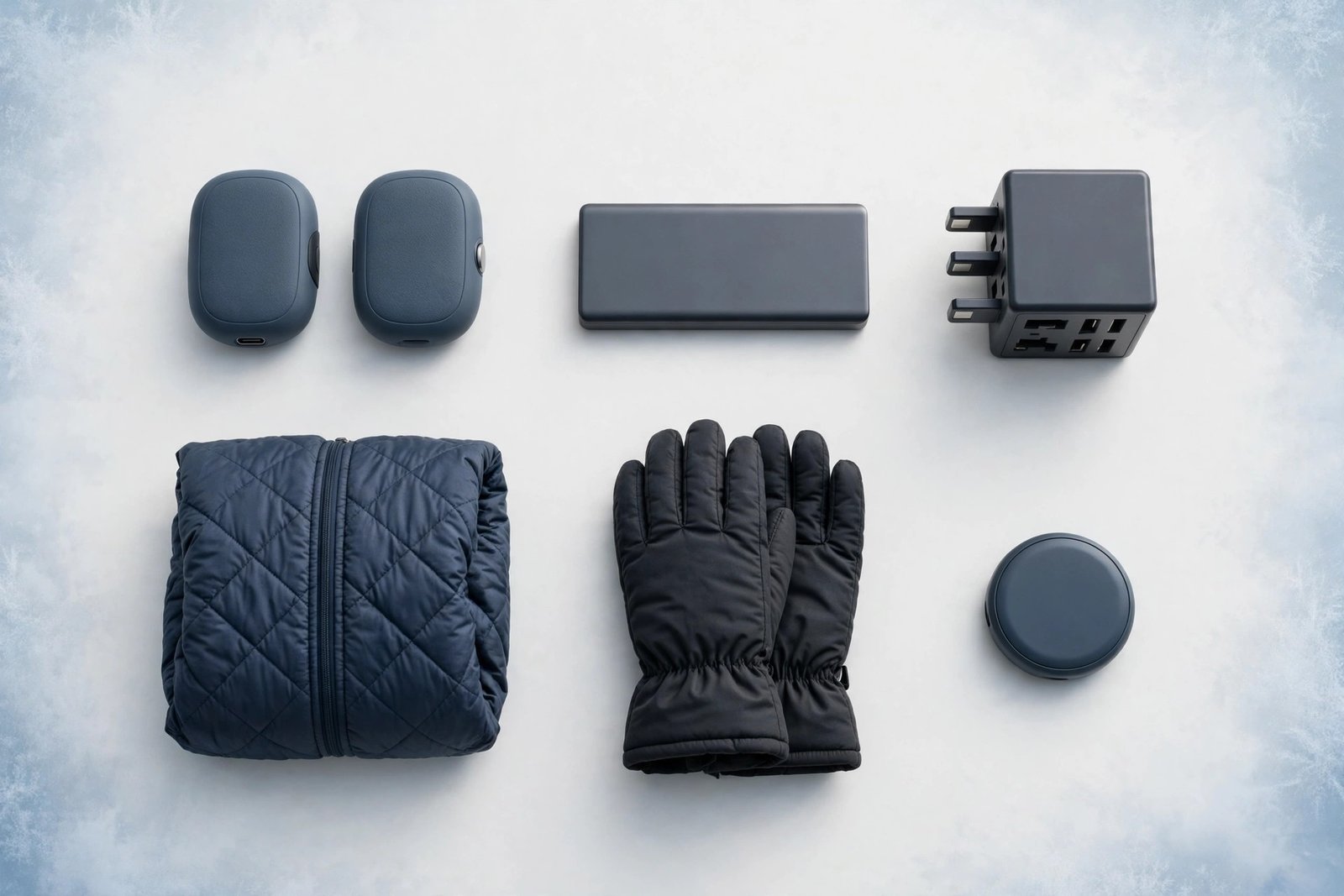
Best Travel Gadgets for Solo Travelers Visiting Cold Countries in Winter
Affiliate Disclosure: As an Amazon Associate, we earn from qualifying purchases made through links on this page, at no extra cost to you. This helps support our work and keeps our guides free to read.
A quick note on prices: prices change often, so we never quote a fixed price here. Please check the latest price on Amazon before you buy, using the yellow buttons in this guide. The product pictures in this article are original illustrations created for this guide, not manufacturer photos.
Arriving alone in a cold country is a wonderful feeling right up until the weather introduces itself: wind that finds every gap in your coat, a phone battery sliding towards empty, fingers too numb to work a touchscreen. There is no travel partner to borrow gloves, a charger or a warmer layer from — everything you need has to be in your own bag, working. That is why the best travel gadgets for solo travelers visiting cold countries in winter are not really luxuries. They are the difference between a trip you manage and a trip you enjoy, and the smartest winter travel essentials are the ones chosen for cold, darkness and one pair of hands.
Cold changes the rules for gear in ways a summer trip never reveals. Batteries fade faster, daylight shrinks to a few hours in the far north, and heated hotel air dries you out overnight — which is why cold weather travel gear has to work harder than the kit you would pack for a summer city break. It has to warm you, power you and quietly look after you, while staying light enough for one person to carry up icy station steps. Every pick below was chosen against exactly that test.
Two themes run through the list. The first is warmth with a power supply: heated warmers, insoles, gloves and a vest, all fed by one serious power bank. The second is travelling alone with confidence — a tracker for your bag, a lock for your room door, an alarm on your coat — the small solo travel safety gadgets that let you stop thinking about the what-ifs. Around those sit the comforts — an adapter that charges everything, a headlamp for the long darkness, a kettle and a humidifier for the room you come back to — the finishing touches on a well-built kit of travel gadgets for winter trips.
You do not need all twelve. A long weekend in one snowy city asks for a smaller kit than a two-week aurora expedition, and packing for cold weather travel is always a negotiation with suitcase space. Use the quick list to build your core, read the honest pros and cons under each pick, and add pieces as your itinerary demands. Each product links to Amazon with the yellow button, so you can check the latest price and reviews before you commit.
How We Chose
We judged every candidate gadget against one demanding brief: would this earn its space in a single traveler’s bag, in real cold, day after day? That meant USB-rechargeable wherever possible, so one power bank and one adapter could support the whole kit; light enough to carry all day; and simple enough to use with gloves on or with cold, clumsy fingers. Anything that needed a mains socket to work, a suitcase of its own, or a companion to help operate it did not make the list.
We also read owner feedback from winter and solo travelers for the failure points that repeat — warmers that fade after an hour, adapters that slip out of worn sockets, heated gear whose batteries die on the first evening — and favoured the product types where those complaints were rarest. Honest run times beat headline claims throughout: a gadget that promises less and delivers it, in the cold, is the one a solo traveler can plan around.
Quick List
- Rechargeable Electric Hand Warmers — steady heat in both coat pockets, all day.
- USB Heated Insoles — warmth that starts at your feet, inside your own boots.
- Electric Heated Gloves — real heat for fingers, with touchscreen fingertips.
- Universal Travel Adapter with USB Ports — one block that charges everything, anywhere.
- High-Capacity 20000mAh Power Bank — the safety net for your phone in freezing weather.
- Portable Door Lock for Travel — a second layer of security for your room door.
- Personal Safety Alarm Keychain — a loud alarm within reach on the walk back.
- Bluetooth Luggage Tracker — know where your bag is, even when you are not with it.
- USB Heated Vest — core warmth under your coat, powered by your power bank.
- Rechargeable LED Headlamp — hands-free light for icy paths and dark afternoons.
- Foldable Electric Travel Kettle — hot drinks in your room, folded flat in your case.
- USB Mini Humidifier — an end to desert-dry hotel air and broken sleep.
1. Rechargeable Electric Hand Warmers

Cold hands end more winter sightseeing days than cold weather does. Maps, transit apps, cameras and coffee cups all need your fingers, and once they go numb a solo day out stops being fun. A pair of Rechargeable Electric Hand Warmers fixes that at the source: one warmer in each coat pocket, each giving steady heat you can switch on and off as you move between icy streets and heated museums. Of all the cold weather travel gear in this guide, these are the items your hands will thank you for most often.
Look for warmers with at least two or three heat settings, so a mild afternoon does not need the same output as a windy evening, and check the stated run time against your longest day out. Slim, rounded shapes sit comfortably in a pocket and double as something warm to hold on a train. Some models can also lend a phone a little emergency charge, though that drains the heat fast, so treat it as a backup. Remember they contain lithium batteries, so they fly in your cabin bag, and a nightly recharge keeps them ready.
Pros
- 👍 Steady heat in both pockets at once
- 👍 Adjustable settings for changing weather
- 👍 Slim shapes double as a warm hand-hold
- 👍 Rechargeable — no disposable packs to buy
Cons
- 👎 Run time drops on the highest setting
- 👎 Need nightly charging on busy trips
- 👎 Must travel in cabin baggage
Best for: city sightseeing, winter markets and anyone whose hands go numb quickly.
Check Price And User Reviews on Amazon
2. USB Heated Insoles

On icy pavements, cold starts at the ground and works upwards. USB Heated Insoles slip inside your usual winter boots and warm the one place a thick coat cannot reach, powered by a small battery pack or a power bank in your pocket. They have quietly become winter travel essentials for travelers who spend long days outdoors, because warm feet change how long you can happily stay outside — and a solo traveler sets their own schedule, with nobody suggesting you head back early.
Most insoles trim to size with scissors, so buy for your boot and cut carefully along the guide lines. Battery placement matters: packs that clip at the ankle or sit in a pocket are far more comfortable than anything under the heel. Carry a spare pair of socks for very long days, swap the insoles out to dry overnight, and keep the batteries warm when they are not in use — cold batteries hold less charge.
Pros
- 👍 Warmth exactly where cold strikes first
- 👍 Work inside the boots you already own
- 👍 Trim-to-fit sizing suits most footwear
- 👍 Great for standing tours and long queues
Cons
- 👎 Battery packs add a little bulk
- 👎 Run time depends on the power source
- 👎 Not ideal in very tight-fitting boots
Best for: northern lights tours, Christmas markets and long walking days on frozen streets.
Check Price And User Reviews on Amazon
3. Electric Heated Gloves
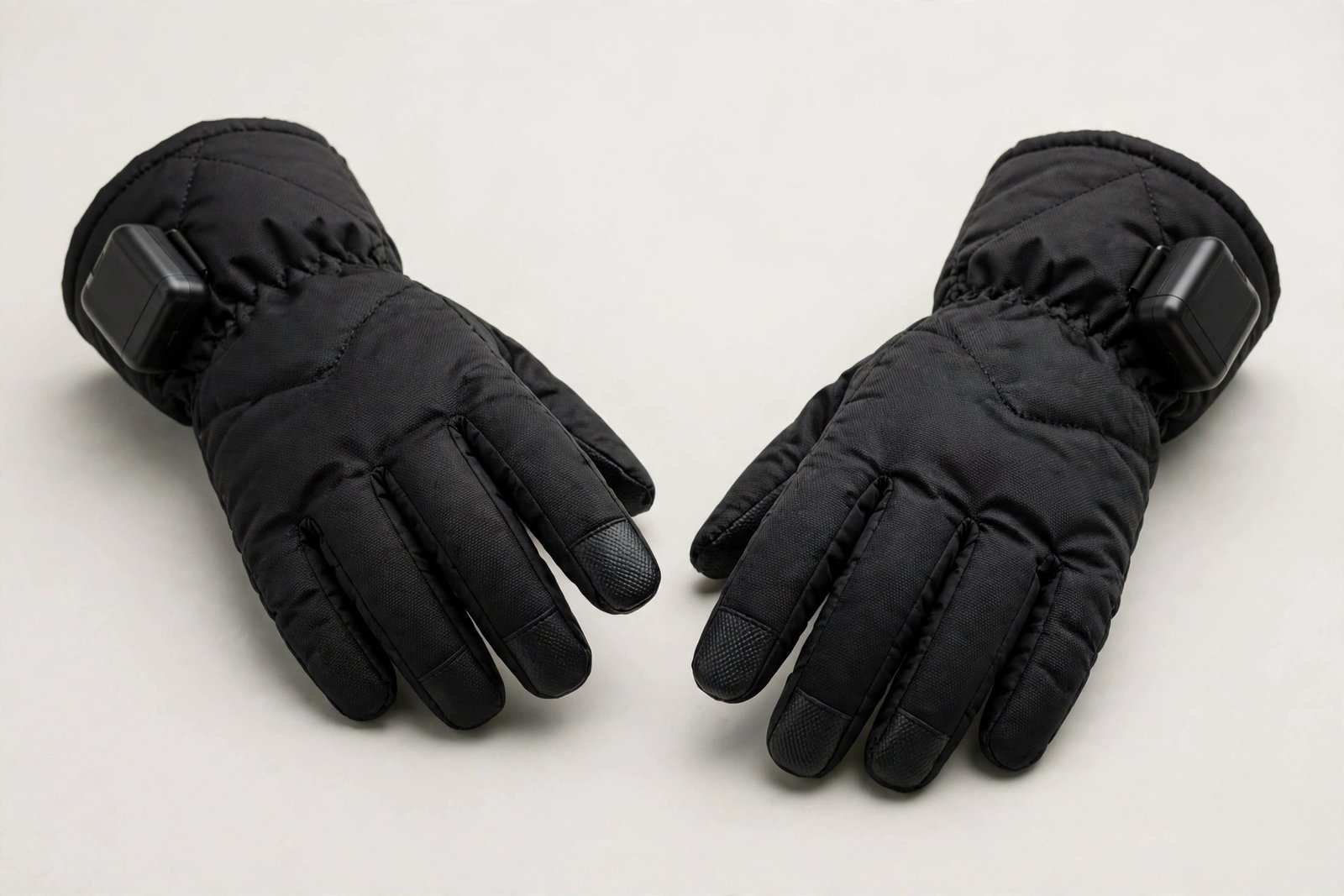
Some cold defeats ordinary gloves entirely — the biting, windy kind you meet on a fjord boat, a ski-town viewpoint or an aurora tour at midnight. Electric Heated Gloves run slim heating elements around the fingers and the back of the hand, powered by rechargeable battery packs in the cuffs. Many winter models add touchscreen fingertips, which matters more than it sounds: a solo traveler uses their phone for maps, photos and bookings, and taking a glove off in deep cold to answer it is nobody’s idea of fun.
Be honest about run time: on the highest setting most heated gloves last a few hours, not a whole day, so treat the lower settings as your default and save full heat for the coldest stretches. Fit matters as much as power — gloves that are too loose let warm air escape, while gloves that are too tight restrict circulation, which makes fingers colder. Look for water-resistant shells for snowy days, and removable batteries so charging stays simple.
Pros
- 👍 Real heat for fingers, not just insulation
- 👍 Touchscreen fingertips keep your phone usable
- 👍 Adjustable heat for changing conditions
- 👍 Water-resistant shells suit snowy days
Cons
- 👎 Bulkiest handwear in this guide
- 👎 Top heat setting drains batteries in hours
- 👎 Cost more than standard winter gloves
Best for: aurora hunting, winter photography and anyone out for hours in deep cold.
Check Price And User Reviews on Amazon
4. Universal Travel Adapter with USB Ports
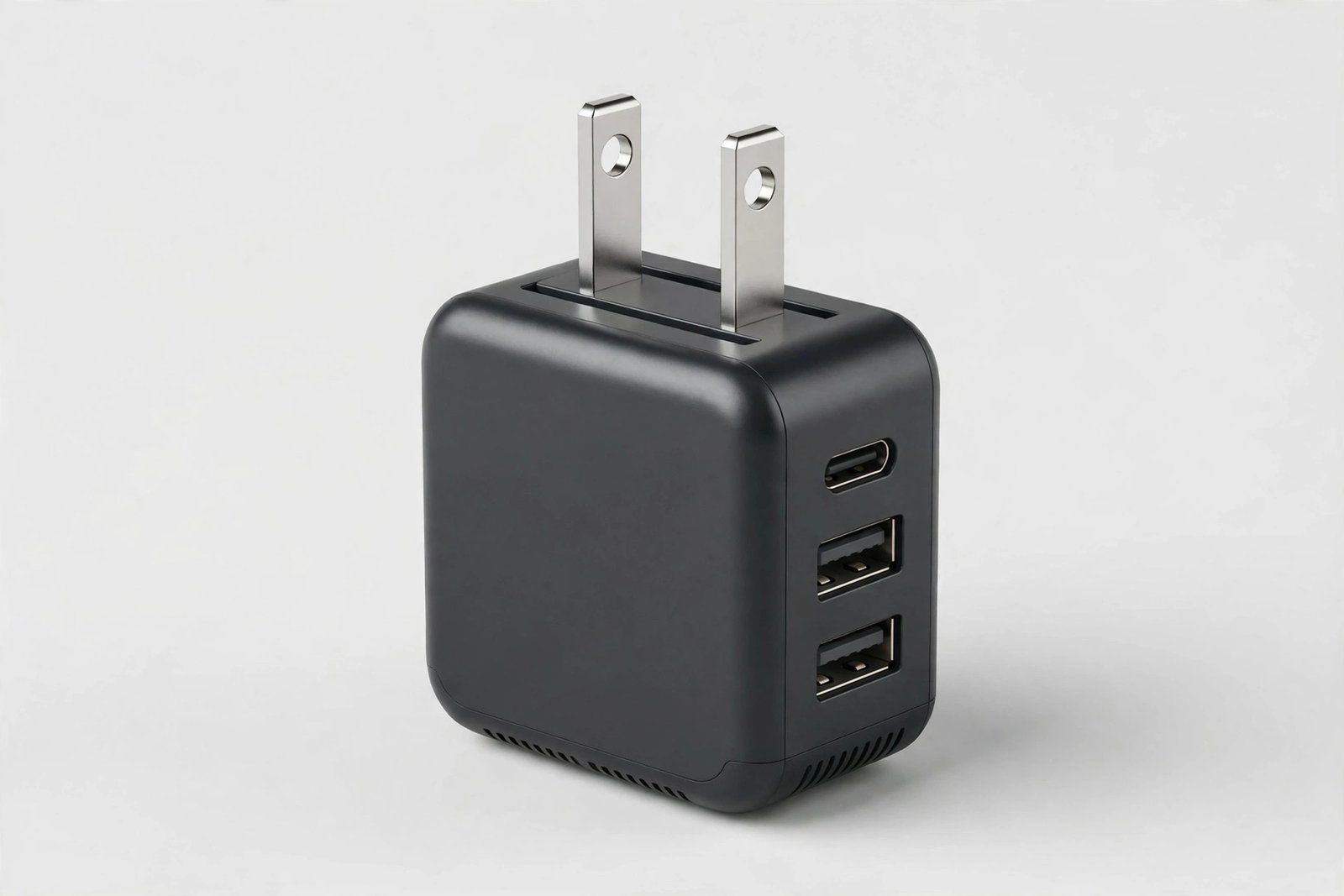
Cold countries do not agree on plug sockets. A winter route might cross European round pins, British three-pins, North American flat blades and Japanese sockets in a single trip — and every gadget in this guide needs charging at the end of the day. A Universal Travel Adapter with USB Ports covers them all in one block, with USB sockets alongside the main outlet, so a phone, a power bank and a set of hand warmers can all charge overnight from a single hotel socket.
Two honest warnings. First, an adapter changes the plug shape only — it does not convert voltage, so check that anything mains-powered you pack, like a travel kettle, is dual voltage. Second, cheap adapters can sit loosely in older sockets; look for firm sliders, a spare fuse and a solid feel. For a solo traveler the adapter is quiet infrastructure: unglamorous, and the thing every other gadget on this list depends on.
Pros
- 👍 One block covers most countries worldwide
- 👍 USB ports charge several gadgets at once
- 👍 Compact — replaces a bag of separate adapters
- 👍 Spare fuse adds peace of mind
Cons
- 👎 Does not convert voltage
- 👎 Cheap models wobble in worn sockets
- 👎 One adapter means one mains outlet at a time
Best for: multi-country winter itineraries and anyone charging several gadgets nightly.
Check Price And User Reviews on Amazon
5. High-Capacity 20000mAh Power Bank

Cold is a battery thief. Lithium cells lose capacity in low temperatures, and a phone that showed a comfortable charge at breakfast can drop alarmingly fast while you photograph a snowy old town — a serious problem when that phone is also your map, translator, ticket wallet and way home. A High-Capacity 20000mAh Power Bank is the solo traveler’s safety net: enough stored power to recharge a phone several times over, with a spare output to top up hand warmers or insoles while you are on the move.
Carry it in an inside pocket when you are out — a warm power bank delivers its charge far better than a frozen one — and recharge it every night alongside your phone, so both start each day full. Weight is the trade-off: high capacity means a noticeable weight in the daypack, but on a dark, cold evening with a long walk back, it is the best weight you carry. Like all lithium batteries, it travels in your cabin bag, never in checked luggage.
Pros
- 👍 Several full phone charges in reserve
- 👍 Powers heated gear as well as phones
- 👍 Fast-charging models refill quickly overnight
- 👍 Doubles as your nightly charging hub
Cons
- 👎 Noticeably heavy in a daypack
- 👎 Must fly in cabin baggage
- 👎 Delivers less in extreme cold if left frozen
Best for: every solo winter traveler — this is the backup your navigation and contact depend on.
Check Price And User Reviews on Amazon
6. Portable Door Lock for Travel
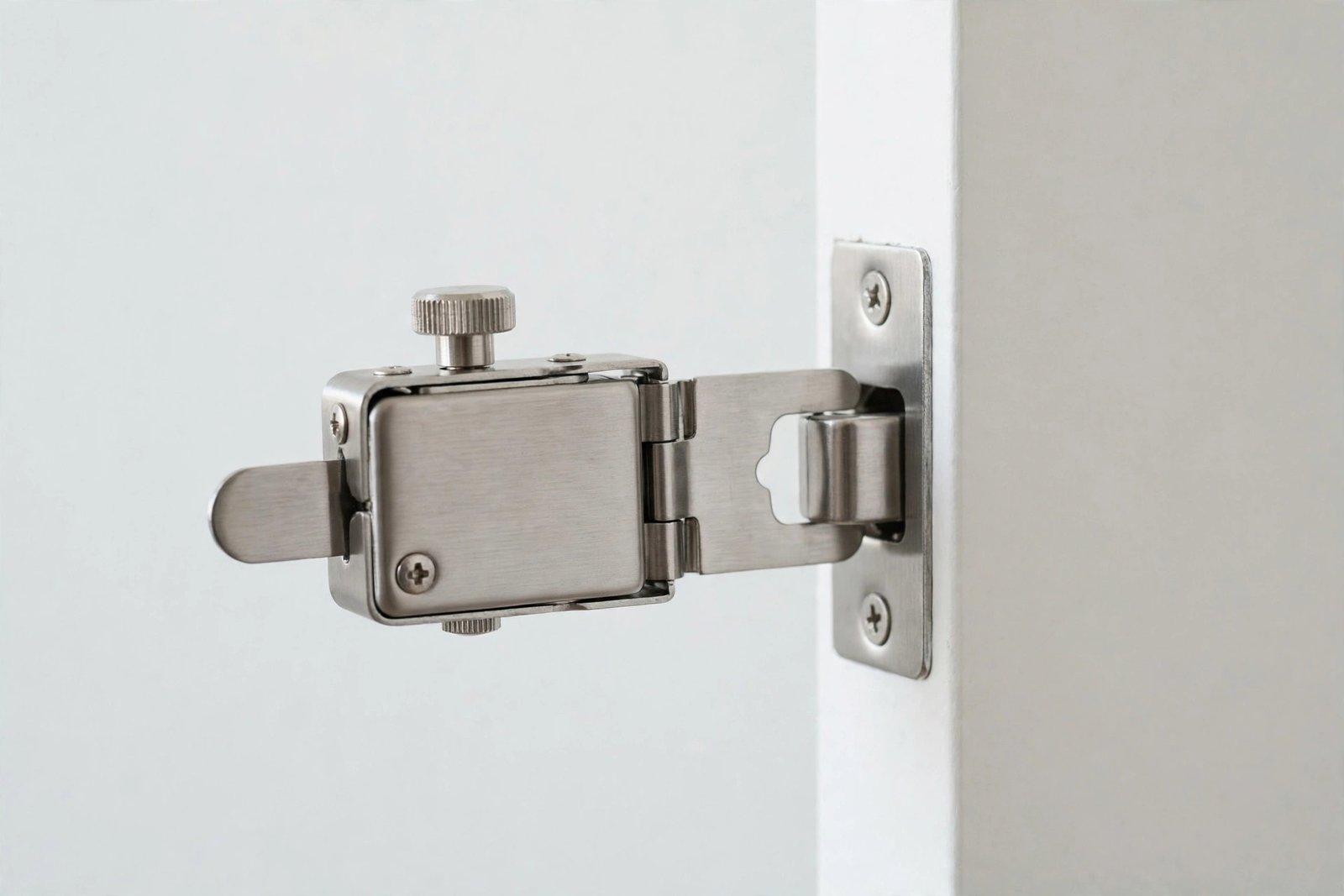
Travelling alone means the room is yours — and many solo travelers like one small extra layer of control over who can open its door. A Portable Door Lock for Travel is a pocket-sized device that braces an inward-opening door from the inside, so it cannot be opened from outside while you sleep or shower, even with a key. It is one of the simplest solo travel safety gadgets there is: no tools, no permanent fitting, and it works in hotels, private hostel rooms and rentals alike.
Practise with it once at home, because the first fitting takes a minute of patience and every door after that takes seconds. Know its limits honestly: it suits standard inward-opening doors with a latch, not sliding or outward-opening ones, and it is an extra layer on top of choosing decent, well-reviewed places to stay — not a substitute for it. Packed flat in a wash bag, it weighs almost nothing and, for many solo travelers, it buys a noticeably better night’s sleep.
Pros
- 👍 Adds a real second layer to a room door
- 👍 Tiny and light — lives in a wash bag
- 👍 No tools or permanent fitting
- 👍 Works in most hotels and rentals
Cons
- 👎 Only fits inward-opening latched doors
- 👎 First fitting takes a little practice
- 👎 No use on sliding or outward-opening doors
Best for: solo travelers in rentals and budget stays who sleep better with extra control.
Check Price And User Reviews on Amazon
7. Personal Safety Alarm Keychain
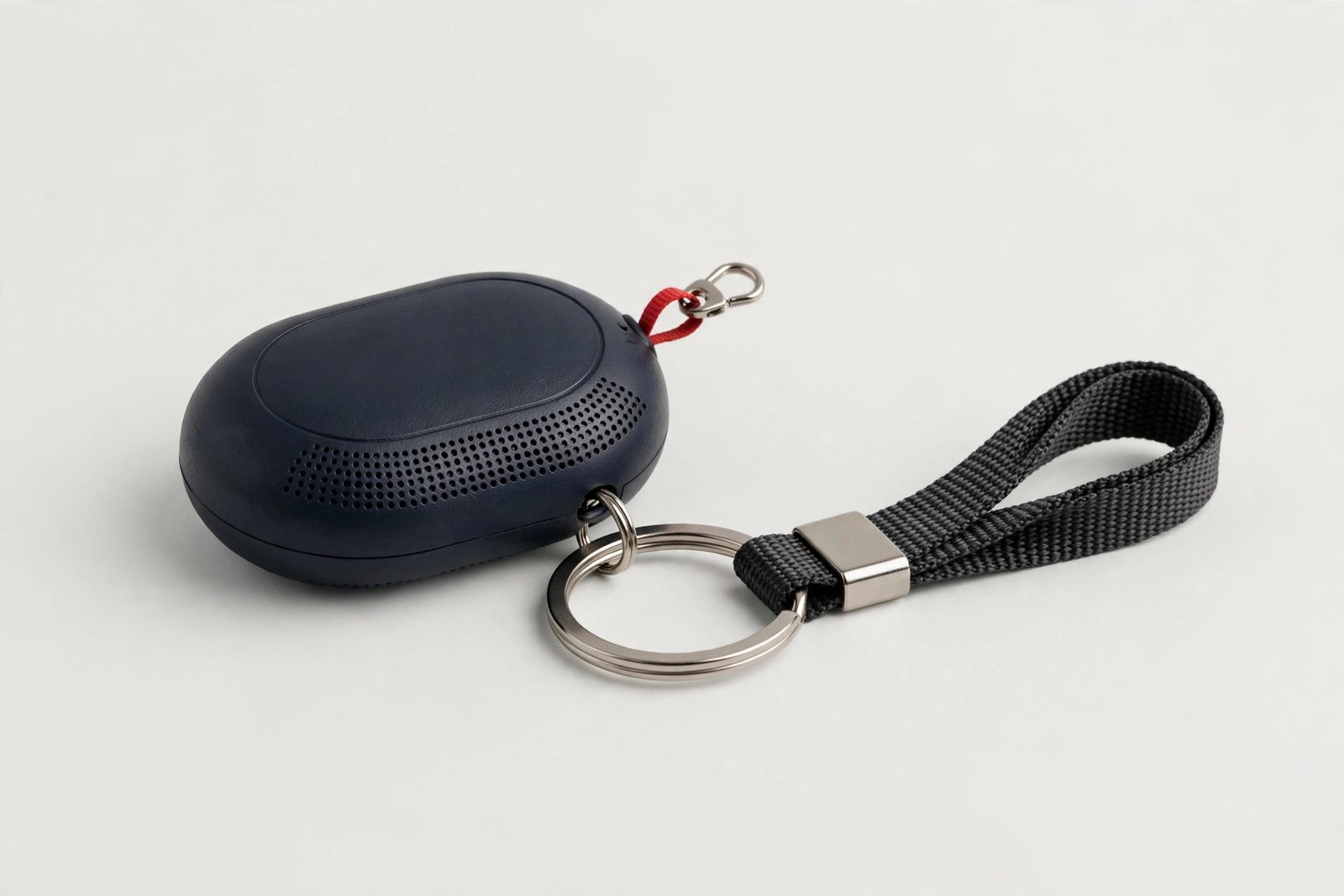
Winter in cold countries means darkness arrives early — in the far north, by mid-afternoon. Walking back to your hotel along quiet, icy streets is a normal part of a solo trip, and a Personal Safety Alarm Keychain is a small, sensible companion for it: pull the pin and it sounds a loud, attention-drawing alarm; push the pin back in and it stops. It clips to a bag strap or coat zip where your hand can reach it without thinking, and most travelers who carry one value it simply for the confidence of having it there.
Choose a model with a deliberate pin action — you want it to sound when pulled on purpose, never by accident inside your bag. Rechargeable alarms save hunting for tiny batteries mid-trip; battery models should be tested before you leave. One brief test pull at home (it is loud — warn the house first) teaches your fingers the motion. Rules on carrying personal alarms are relaxed in most destinations, but if you are crossing many borders, a quick check takes a minute.
Pros
- 👍 Loud alarm draws attention instantly
- 👍 Clips within easy reach on bag or coat
- 👍 Small, light and simple to use
- 👍 Rechargeable models are easy to maintain
Cons
- 👎 Must be reachable to be useful
- 👎 Accidental pulls are startling
- 👎 Battery models need a pre-trip test
Best for: walking back after dark, quiet streets and the long early nights of northern winters.
Check Price And User Reviews on Amazon
8. Bluetooth Luggage Tracker
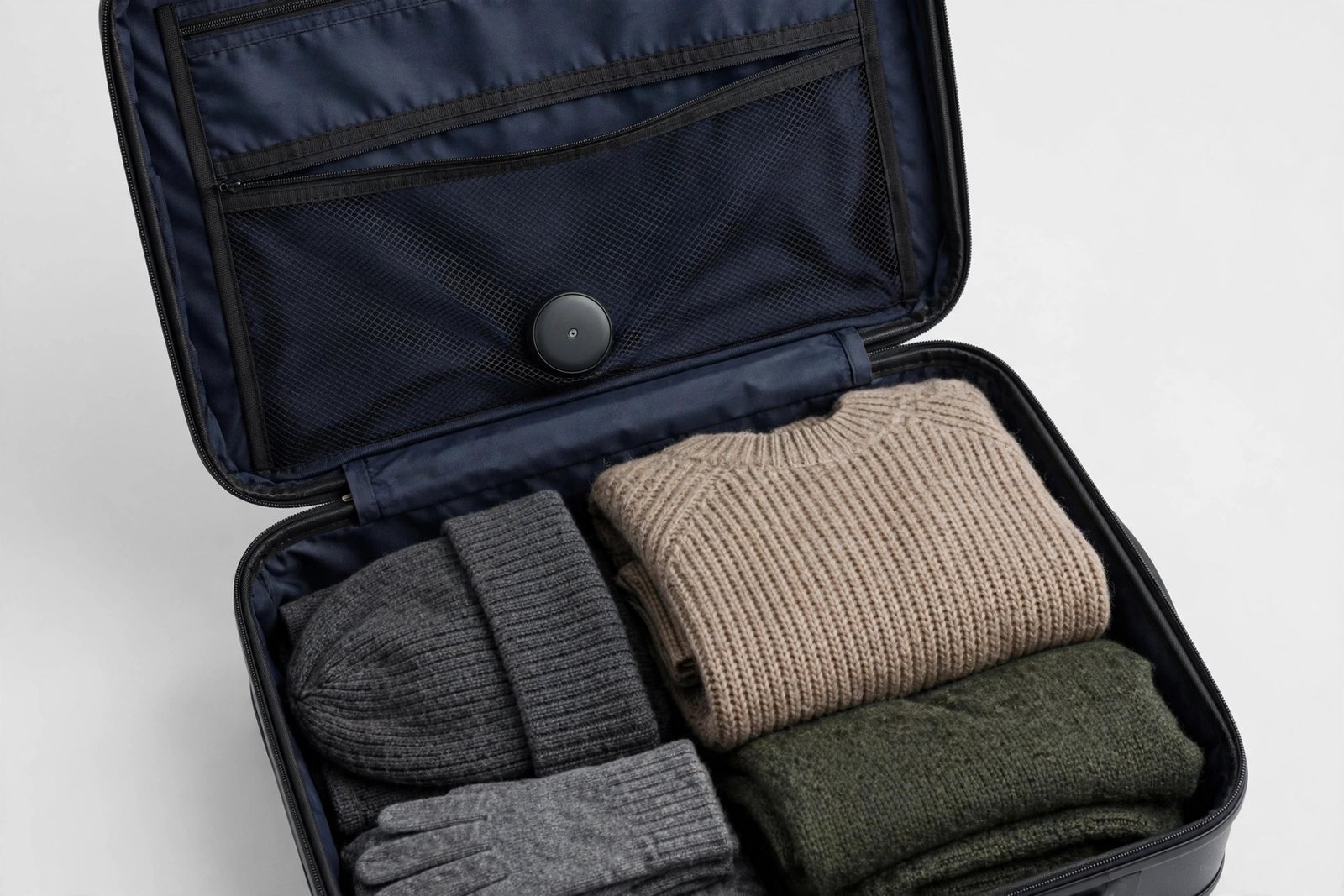
When you travel alone, nobody else is watching your bag at the station, the café or the airport carousel — and in a busy winter terminal, wrapped in a coat and gloves, it is easy for a suitcase to slip away from your attention. A Bluetooth Luggage Tracker hides inside your luggage and shows its location in an app on your phone, using the network of nearby phones in the same system to update its position when it is beyond your own Bluetooth range. Among travel gadgets for winter trips, this is the one that pays off on the worst day of the journey.
Set expectations clearly: a tracker reports where your bag was last detected, not live GPS, and updates depend on other phones passing nearby — excellent in cities and airports, patchier in remote areas. Tuck it into an inside pocket of the case so it cannot fall out, and check your airline’s current guidance on trackers in checked bags, which most carriers now accept. A coin battery typically lasts many months, so one tracker covers a whole season of trips.
Pros
- 👍 Locates delayed or misdirected luggage
- 👍 Tiny — hides inside any suitcase
- 👍 Long battery life between trips
- 👍 Also helps find a daypack in a crowd
Cons
- 👎 Not live GPS — depends on nearby phones
- 👎 Patchy coverage in remote areas
- 👎 Needs the matching phone app ecosystem
Best for: checked luggage, multi-stop itineraries and travelers connecting through busy hubs.
Check Price And User Reviews on Amazon
9. USB Heated Vest

Layers work, but they have a limit: stand still for an hour watching the sky for the northern lights and the cold soaks through any coat eventually. A USB Heated Vest worn under your jacket warms your core directly, with heated zones across the chest, back and sometimes the collar, all powered by the power bank in your pocket. Keeping your core warm is the fastest way to feel warm everywhere — your body stops rationing heat to your hands and feet — which makes a heated vest the heavy artillery of a solo winter kit.
You supply the power bank, so budget its capacity for the vest’s hours as well as your phone’s. Sizing should be snug over a base layer and under your outer coat; too loose and the heat never quite reaches you. Use the settings to stretch the battery — low while you are walking, high while you are standing still. Remove the battery before washing, and let the vest dry fully, and it will serve trip after trip.
Pros
- 👍 Warms your core, where it counts most
- 👍 Runs from the power bank you already carry
- 👍 Adjustable heat for your activity level
- 👍 Slimmer than piling on extra sweaters
Cons
- 👎 Needs a power bank with spare capacity
- 👎 Snug fit matters — sizing is personal
- 👎 Battery must come out before washing
Best for: aurora tours, winter festivals and long, still waits in serious cold.
Check Price And User Reviews on Amazon
10. Rechargeable LED Headlamp
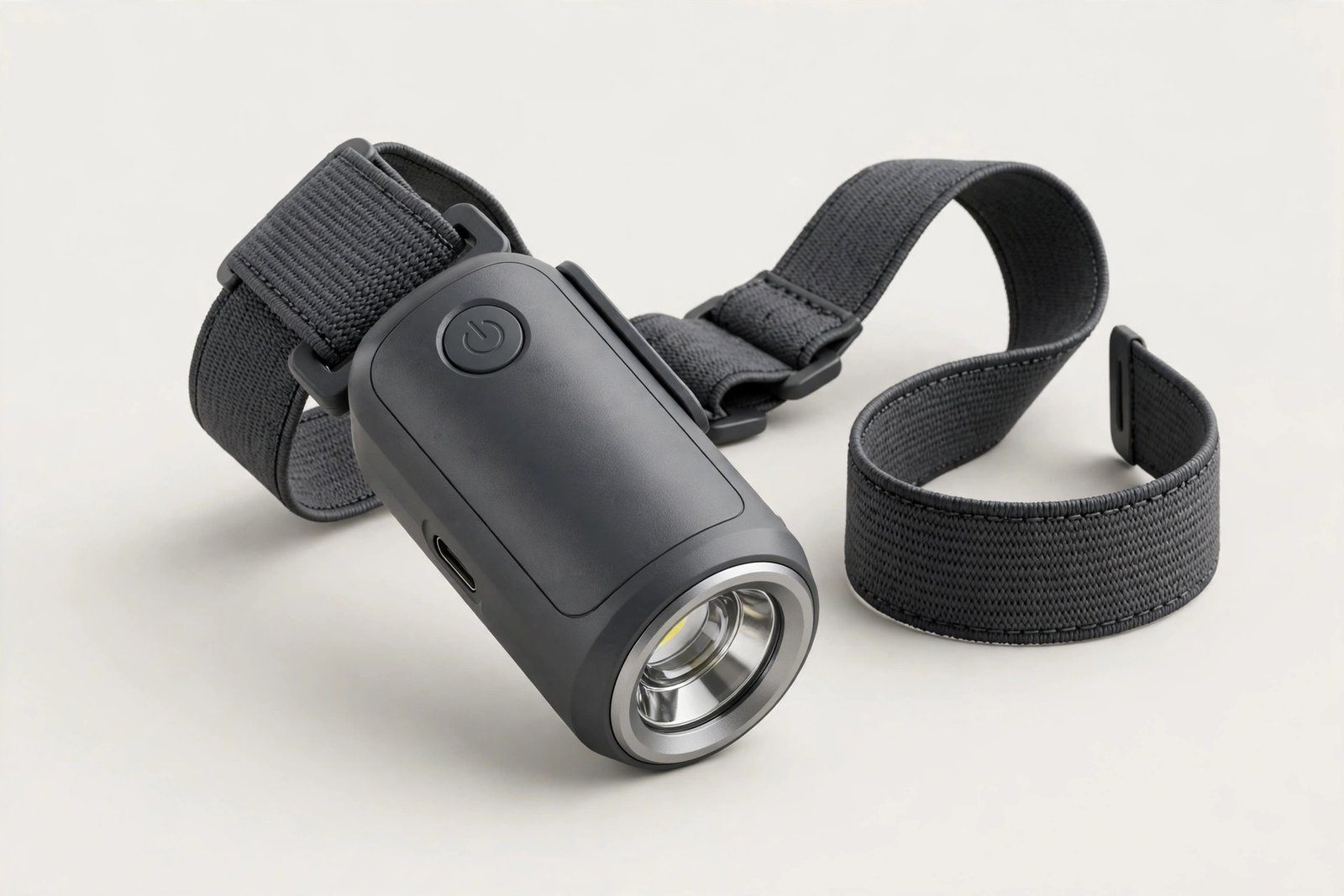
In a cold country, winter daylight can be a rumour — a few grey hours, then darkness again by mid-afternoon. A Rechargeable LED Headlamp keeps both hands free for the things winter demands of them: holding a rail on icy steps, reading a phone map, finding a key, steadying yourself on a frozen path. It is also the solo traveler’s quiet multi-tool after dark — reading in a hostel bunk without lighting the whole room, finding things during a hotel power cut, or walking back from a late train with the path lit in front of you.
Look for USB charging to match the rest of your kit, a tilting head so the beam points at the path rather than the horizon, and more than one brightness level. A red-light mode is worth having: it preserves your night vision on aurora tours and lets you move around a shared dorm without waking everyone. Keep the headlamp in your daypack’s top pocket — one buried at the bottom of a suitcase helps nobody.
Pros
- 👍 Hands-free light for icy paths and steps
- 👍 USB charging matches your other gadgets
- 👍 Red mode suits dorms and aurora tours
- 👍 Tiny and light in a daypack
Cons
- 👎 Needs regular charging on long trips
- 👎 Brightest modes drain the battery fast
- 👎 Easy to leave behind in a hotel room
Best for: icy paths, early darkness, dorm rooms and night excursions.
Check Price And User Reviews on Amazon
11. Foldable Electric Travel Kettle

Hot drinks are morale in a cold climate, and café stops add up fast when you are paying for one, every time, on your own. A Foldable Electric Travel Kettle collapses flat into a suitcase corner, then pops up in your room to make tea, coffee or instant soup whenever you come in from the cold. When packing for cold weather travel, where every litre of suitcase space fights with bulky warm clothes, a kettle that folds down to the size of a paperback earns its place honestly.
Dual voltage is the detail to check — a kettle built for one voltage only will struggle or fail abroad, and remember that a travel adapter changes plugs, not voltage. Capacity is small, usually enough for one or two mugs, which suits a solo traveler perfectly. Boil water only, let it cool a little before folding it away, and descale it now and then on long trips. Early starts, late arrivals and slow mornings all feel warmer with a kettle in the room.
Pros
- 👍 Folds flat in a suitcase corner
- 👍 Hot drinks on demand, at any hour
- 👍 Saves café spending on long trips
- 👍 One-to-two mugs suits solo travel well
Cons
- 👎 Small capacity — one person at a time
- 👎 Must be dual voltage for many routes
- 👎 Needs to cool before folding away
Best for: budget solo travelers, tea and coffee loyalists, and long stays in cold places.
Check Price And User Reviews on Amazon
12. USB Mini Humidifier
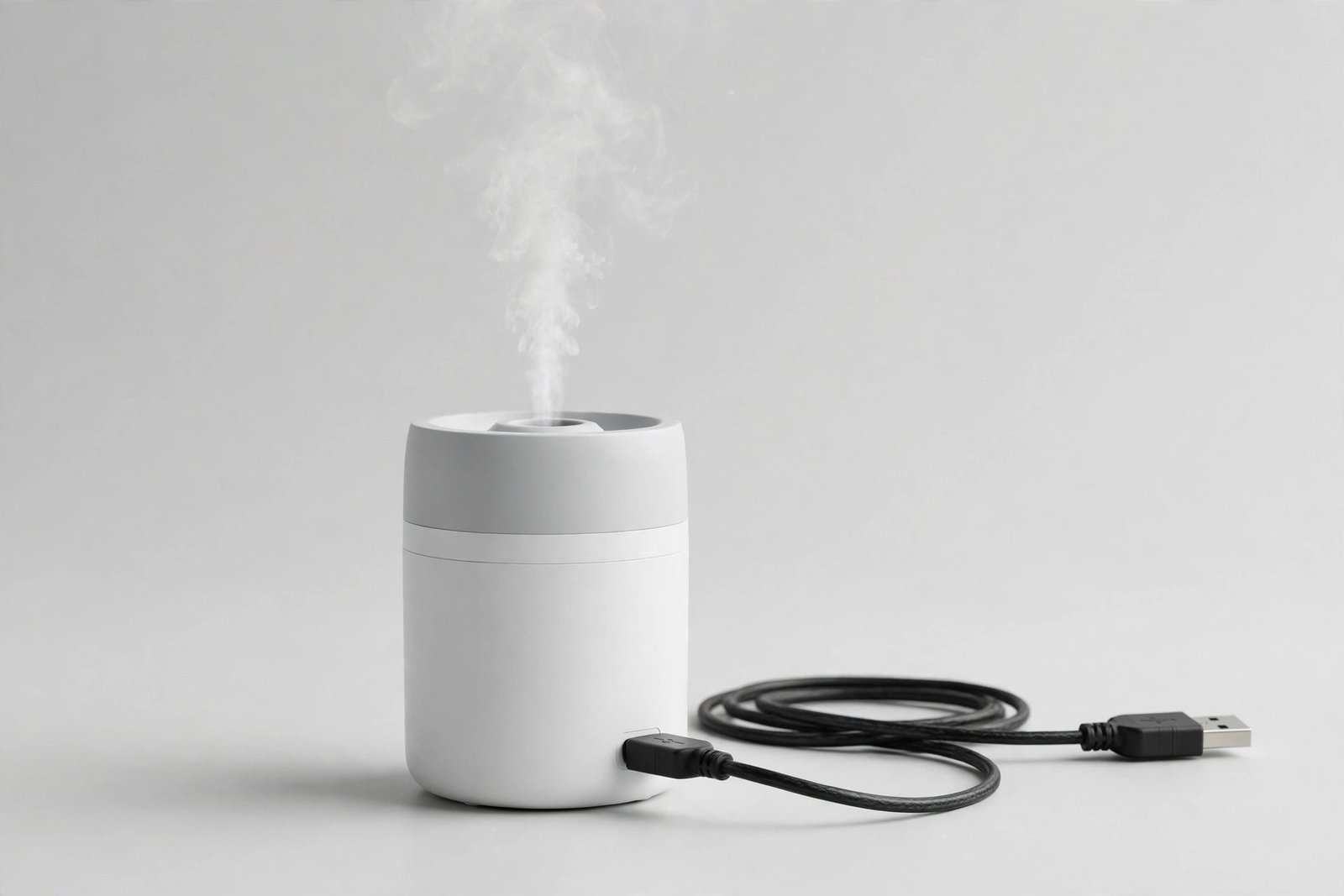
Cold countries heat their rooms hard, and heated indoor air is desert-dry. After a few nights of it, many travelers wake with a dry throat, sore skin and broken sleep — a quiet way to lose a sightseeing day. A USB Mini Humidifier on the nightstand puts a little of that moisture back, running quietly from your adapter or power bank and misting through the night. It is the least dramatic gadget in this guide, and for light sleepers it may be the one that saves the trip.
Small tanks run one night at a time, so top it up as part of your evening routine, and use clean water where you can. Clean the tank every few days on a long trip — a neglected humidifier smells musty and helps nobody. Stand it somewhere stable, where a knock will not spill it across your passport and phone. Wake up breathing comfortably and the whole next day in the cold feels easier.
Pros
- 👍 Eases dry throats and skin overnight
- 👍 Runs from USB — no extra charger
- 👍 Quiet enough for light sleepers
- 👍 Small and light in the suitcase
Cons
- 👎 Small tank needs nightly refills
- 👎 Needs regular cleaning on long trips
- 👎 Benefits one room and one sleeper
Best for: light sleepers, dry-heated hotels and anyone who wakes with a sore throat on winter trips.
Check Price And User Reviews on Amazon
What to Look for Before You Buy
Start with power, because in cold weather power is warmth. Almost everything in this guide runs on a battery, and cold shortens every battery’s day. Judge each piece of cold weather travel gear by how it charges: gear that tops up by USB, from the same power bank and adapter as your phone, keeps your nightly routine to one socket and one set of cables. Build the habit of charging everything while you sleep, and you start every cold day with full batteries across the board.
Then be strict about weight. Travelling solo means one pair of hands for every staircase, bus step and icy pavement, and nobody to carry the overflow. When packing for cold weather travel, favour gadgets that do two jobs — warmers that can lend a phone a little charge, a power bank that also feeds your heated gear, a headlamp that doubles as your dorm light — over single-purpose extras. Test-pack your daypack before you go: if it feels heavy at home, it will feel heavier on day six.
Think about your itinerary before your shopping. A city-break solo traveler needs the power bank, adapter, warmers and tracker most; an aurora hunter should add the heated vest, gloves and headlamp; a long-stay traveler gets the most from the kettle and the humidifier. The safety picks are deliberately calm additions: a door lock and an alarm are about sleeping well and walking back with confidence, and they cost almost no space at all. Match the kit to the trip rather than buying the whole list at once.
Finally, respect the rules of the journey itself. Lithium batteries — power banks, warmers, heated-gear battery packs — travel in your cabin bag, and airlines set limits on battery size, so check your carrier before you fly. Trackers in checked bags are widely accepted, but they are worth a quick check too. A few minutes with the rules before you pack beats a confiscated gadget at security.
Final Thoughts
Solo travel in a cold country is one of the great trips — silent snowy streets, long lunches in warm cafés, skies that might just light up green — and the right kit is what keeps the cold a backdrop instead of the main event. The travel gadgets for winter trips that earn their space all do the same job in different ways: they keep you warm, keep your phone alive, and let you relax into travelling alone.
Start with the core four — hand warmers, a serious power bank, the adapter and a tracker — then add heated gear, safety picks and comforts as your itinerary demands. Build the kit trip by trip, charge it all each night, and let the winter look after the rest.
More Guides You’ll Like
Planning a long flight to reach the cold? Start with our guide to the Best Travel Gadgets for Long International Flights. Working as you travel? See the Best Portable Gadgets for Digital Nomads Working from Cafes Daily — and if your winter trip runs on four wheels instead, the Best Compact Gadgets for Van Life Road Trips on a Budget covers the same cold-weather thinking for the road.
Frequently Asked Questions
What should a solo traveler pack first for a trip to a cold country?
Start with the core four: rechargeable hand warmers, a high-capacity power bank, a universal adapter and a luggage tracker. Those four sit at the top of most winter travel essentials lists because they cover warmth, power, charging and your bag — the four things a solo traveler has nobody else to borrow from. Add heated gear for very cold destinations, and comforts like a kettle when the stay is longer.
Why does my phone battery die so quickly in cold weather?
Lithium batteries simply deliver less power when they are cold, and a phone working hard on maps and photos feels it first. Keep the phone in an inside pocket, close to your body, between uses, avoid leaving it on a cold café table, and carry the power bank somewhere warm too — a warm battery charges your phone far better than a frozen one. The charge usually returns as the phone warms up; cold drains performance, not the battery’s long-term health.
Can I fly with power banks, hand warmers and heated gloves?
Yes, with one consistent rule: spare lithium batteries and battery-powered gear travel in your cabin bag, not in checked luggage. That covers power banks, rechargeable warmers and the battery packs for heated gloves, vests and insoles. Airlines also cap the size of batteries you may carry, and rules can vary by carrier, so check yours before you fly. Luggage trackers in checked bags are widely accepted, but a quick check of your airline’s current guidance is still sensible.
How can I feel more secure sleeping alone in a new place?
Choose well-reviewed stays in lively areas first — no gadget replaces that. Then the simple solo travel safety gadgets in this guide add their layer: a portable door lock braces your room door from inside, a tracker keeps an eye on your bag, and an alarm rides on your coat for the walk back. Share your itinerary with someone at home, keep your phone charged, and most solo travelers find that is quite enough to sleep soundly.



One Comment