How to Keep Pests Out of Your Garden Without Chemicals
A garden full of healthy plants is a joy, and learning how to keep pests out of your garden without chemicals starts with a simple idea: a strong, well-cared-for garden is much harder for pests to take over. You do not need sprays or powders to protect your plants. With the right habits, a few barriers, and a little patience, you can keep most pests at bay and still enjoy a garden that is safe for children, pets and pollinators.
The method in this guide works for vegetable beds, flower borders and balcony pots alike. First, make your garden less inviting to pests by keeping plants healthy and the ground tidy. Second, check your plants every week, so you spot trouble while it is still small. Third, use barriers, traps and garden helpers that stop pests without harming anything else. And fourth, know when a problem is bigger than home care and needs a professional. Start with one bed, and build from there.
Start by Making Your Garden Less Inviting to Pests
Healthy plants resist pests far better than weak ones, so the first step is good basic care. Give each plant the light, water and space it needs, and it will grow strong leaves and stems that pests find harder to damage. Crowded plants trap damp air and give pests a shady place to hide, so thin seedlings out, space pots apart, and prune out tangled growth. A plant with room to breathe is a plant that stays healthy for longer.
Tidy ground makes a big difference too. Fallen leaves, old stems and rotting fruit on the soil give slugs, snails and other pests a damp hiding place and a steady food supply. Clear away dead leaves each week, pick up fallen fruit before it rots, and keep the compost heap covered and away from the beds. A tidy garden is not just a prettier garden — it is a garden with far fewer places for pests to shelter and breed.
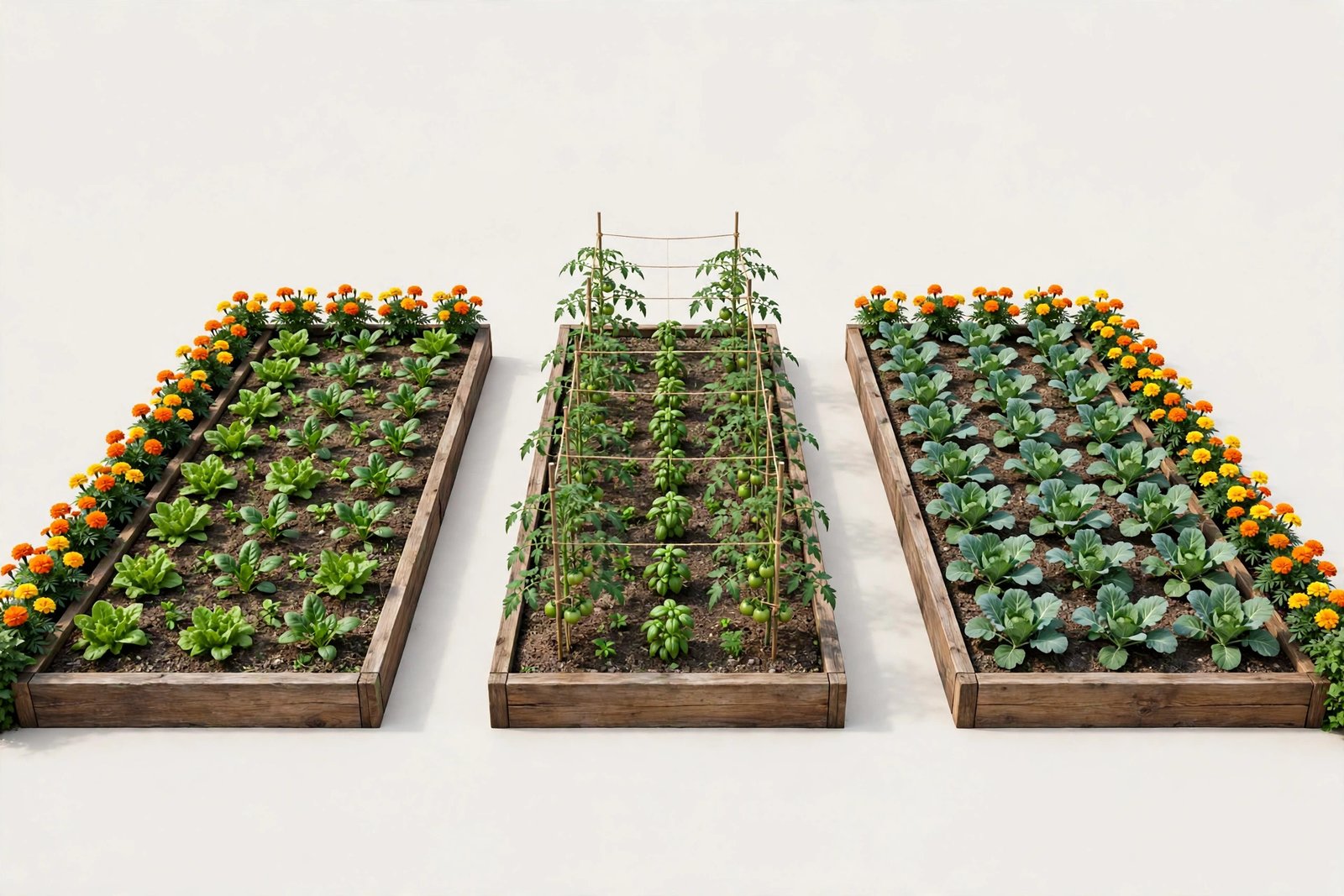
Rotating your crops is one of the oldest tricks in gardening, and it still works. Pests that feed on one type of plant build up in the soil when the same crop grows in the same spot year after year, so move your vegetables to a different bed each season. Planting a mix of different plants together also helps, because pests that love one plant have to search harder to find it among others. A mixed bed is a confusing bed for a hungry pest.
Some plants help protect their neighbours simply by growing beside them. Strongly scented herbs like rosemary, mint and lavender can mask the scent of the vegetables beside them, while marigolds are famous for keeping certain soil pests away from tomatoes and other crops. Plant these helpers around the edges of your beds and between your vegetables, and they will work quietly all season. They also bring colour and scent to the garden, and many of them attract bees and butterflies too.
Spot Trouble Early With a Weekly Check
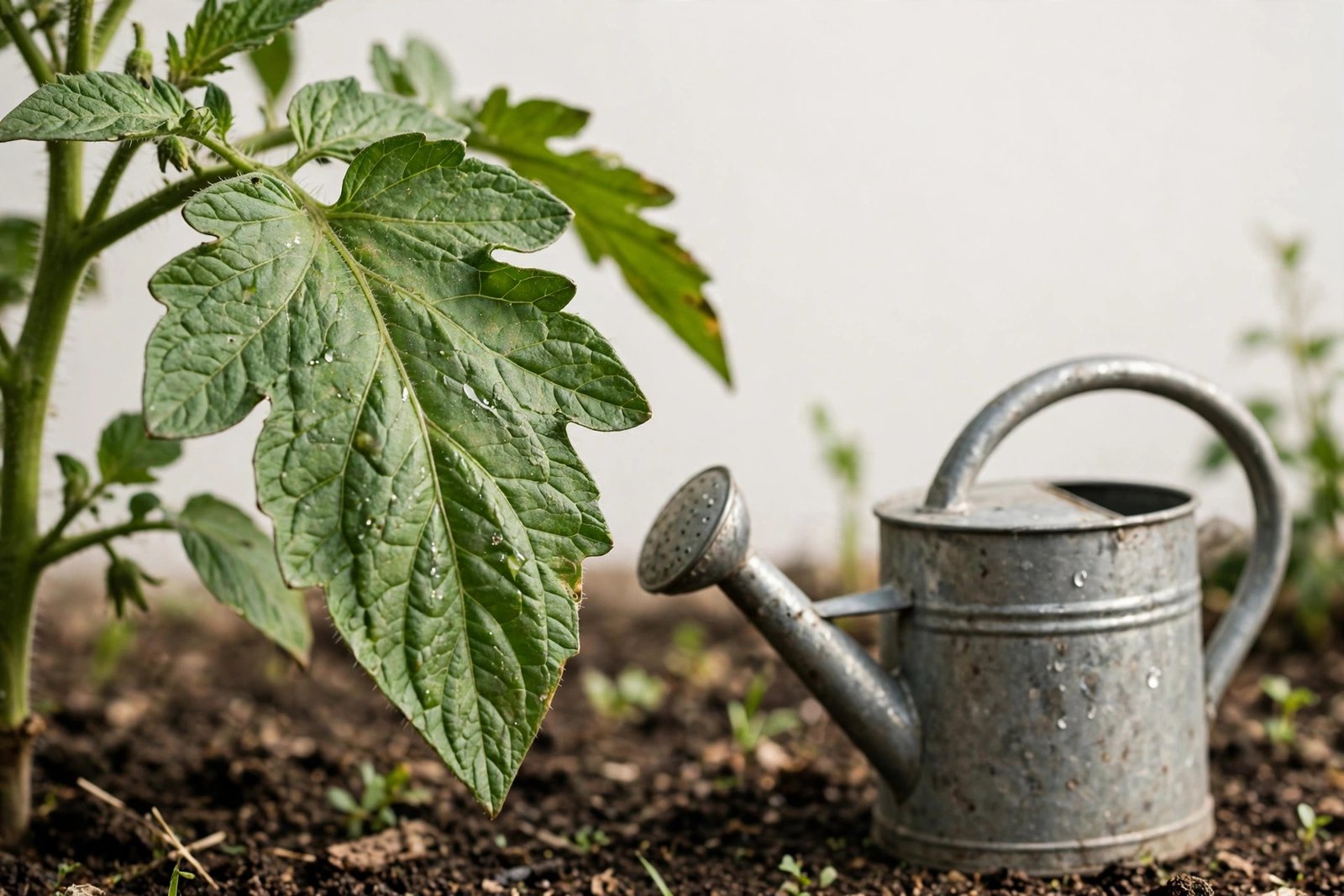
A weekly check is the single best habit in a chemical-free garden, because pests are easy to deal with when there are only a few of them. Walk around the garden once a week, turn over a few leaves, and look at the undersides, where aphids and other small pests like to gather. Look for chewed edges, curled leaves, tiny holes, sticky residue on the leaves, and silvery trails on the soil. Each of these is a clue, and the earlier you spot it, the simpler the answer.
Learn to tell the difference between a pest and a friend. Ladybirds, lacewings and hoverflies eat aphids and other pests, and their larvae are hungry helpers too. Bees and butterflies pollinate your flowers and vegetables, and earthworms keep the soil healthy. If you see a creature you do not recognise, watch it for a day before you act — it may be doing you a favour. A garden with a good mix of creatures is a balanced garden, and balance is what keeps pests in check.
Keep a simple note of what you find, and the patterns will soon appear. Which plants get aphids first, which bed the slugs visit most, and which week the whitefly arrives — all of this helps you plan for next season. A few lines in a notebook, or a photo on your phone each week, is enough. Over a season, those notes become a map of your garden, showing you where to put barriers, which plants need extra watching, and when to act before the pests arrive.
Act quickly when you find a small problem, and keep the action gentle. A few aphids can be washed off a leaf with a strong jet of water from a hose or a spray bottle. A slug found in the morning can be picked off by hand and moved far from the beds. A leaf with a cluster of eggs can be picked off and put in the compost. These small, regular actions take only a few minutes, and they stop small problems from becoming big ones. Gentle and early beats harsh and late, every time.
Use Barriers, Traps and Garden Helpers
Barriers are the most reliable tool in a chemical-free garden, because they stop pests from reaching the plants at all. Fine mesh netting over a bed keeps butterflies from laying eggs on cabbages and keeps birds from pecking at seedlings. A copper ring around a pot can discourage slugs, and a collar of cardboard around a young stem can stop cutworms. A fence of fine mesh buried a few centimetres into the soil keeps out rabbits and other visitors. Put barriers up early, before the pests arrive, and they will work all season.
Traps catch the pests that get past the barriers, and the simplest ones work well. A shallow dish of beer sunk into the soil attracts slugs and snails, which fall in and cannot climb out. A sticky yellow card hung near the plants catches whitefly and other flying pests, and it also shows you how many are around. A jar of jam and water hung in a tree can draw wasps away from a seating area. Check traps every few days, empty them, and reset them so they keep working.
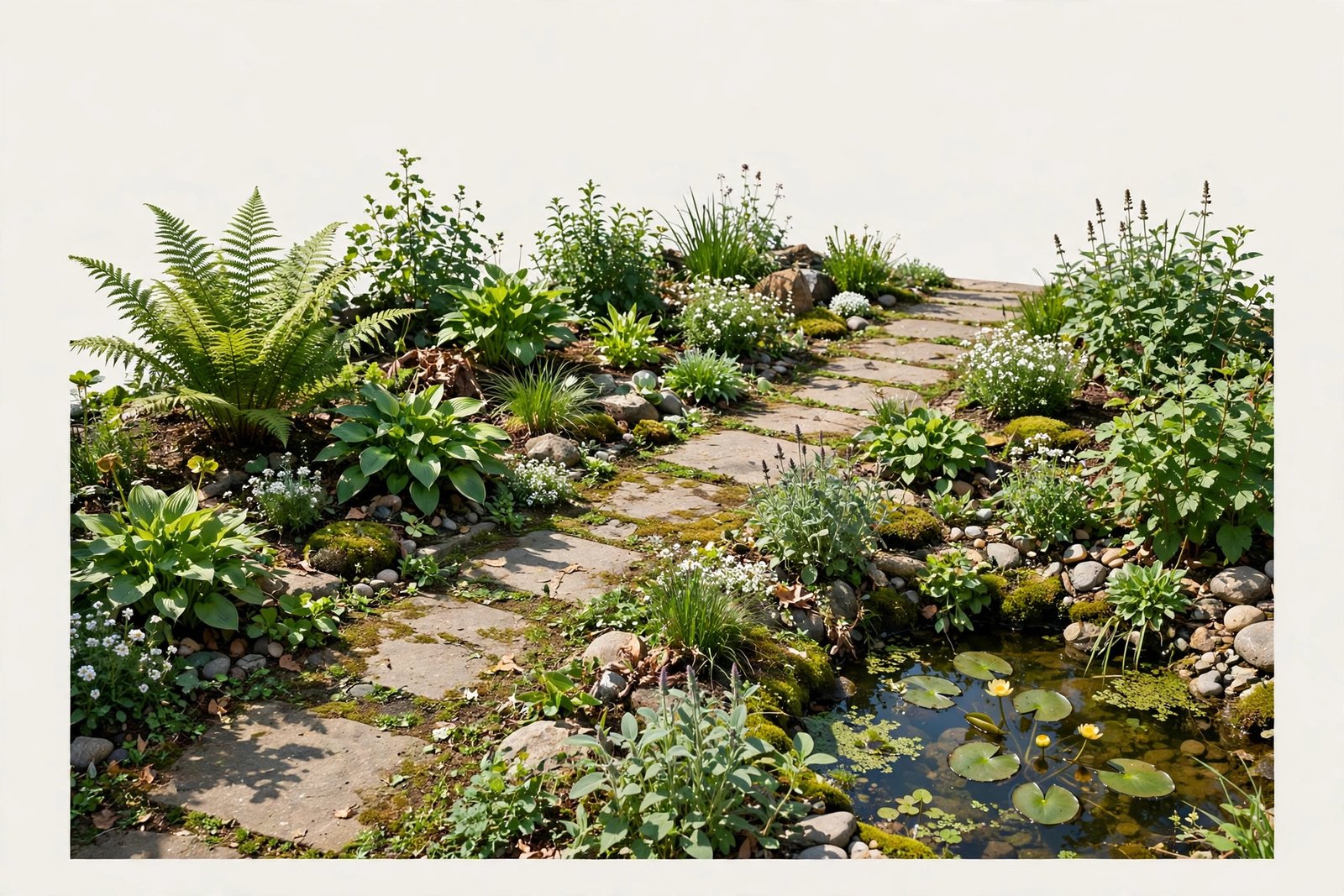
Garden helpers do a lot of the work for you if you invite them in. A small bird feeder brings in birds that eat caterpillars and slugs, a log pile in a quiet corner gives beetles and frogs a home, and a pond — even a small one in a barrel — brings in frogs that eat slugs all night. Planting flowers that attract hoverflies and lacewings brings in creatures that eat aphids by the hundred. A garden that welcomes helpers is a garden that looks after itself.
Water can be a surprisingly useful tool too. A strong jet of water from a hose knocks aphids off a plant and onto the ground, where they struggle to climb back. Watering in the morning, rather than the evening, lets the leaves dry before night, which makes the garden less inviting to slugs and snails. And watering the soil rather than the leaves keeps the foliage dry and healthy. These are small choices, but together they make the garden a harder place for pests to live.

Know When to Call in a Professional
Most garden pest problems can be handled with the gentle methods in this guide, but some problems are bigger than home care. A serious infestation that spreads fast across many plants, a nest of wasps near a path or a doorway, or signs of pests inside the house are all jobs for a professional. A professional can identify the pest correctly, advise on the safest next step, and deal with the problem in a way that keeps your family and pets safe.
Do not try to tackle a wasp nest, a large ant colony near the house, or any pest you cannot identify on your own. Wasps can sting, and disturbing a nest can be dangerous, especially for children or anyone with an allergy. A professional pest controller has the right equipment and the training to deal with these safely, and the cost of a visit is small compared with the risk of handling it yourself. If in doubt, step back and make the call.
When you call a professional, ask what methods they use and whether they offer approaches that are safe for children, pets and pollinators. A good professional will explain the options, tell you what to expect, and give you simple steps to stop the problem from coming back. Ask for advice on sealing gaps, clearing the hiding places near the house, and keeping the garden tidy — because prevention is still the best answer, even after a professional visit.
After a professional visit, keep up the habits in this guide so the problem does not return. Keep the garden tidy, check the plants every week, keep barriers in place, and welcome the garden helpers that keep pests in balance. A single visit can solve an infestation, but only steady habits keep it solved. With a tidy garden, regular checks and the right help when you need it, you can enjoy a garden that is healthy, welcoming and safe for everyone who uses it.
Final Thoughts
Keeping pests out of your garden without chemicals is a steady, gentle approach, and it works. Keep your plants healthy and the ground tidy, check the garden every week, use barriers and traps to stop pests early, and welcome the birds, frogs and insects that help you. That is the whole method, and it keeps a garden safe for children, pets and pollinators.
Start this week with a walk around the garden and a tidy-up of the beds. Pick off any pests you find, put a barrier over the bed that needs it most, and plant a few marigolds along the edge. Those small steps will make a real difference this season, and the garden will reward you with healthy plants and a safer place to spend time.
More Guides You’ll Like
For the gadgets that make all of this easier — mesh netting, traps, solar pest deterrents and more — see our product guide to the Best Pest Control Gadgets for Chemical-Free Gardens, which rounds up twelve picks chosen for gardens kept free of chemicals. And for growing on a city balcony, Best Garden Gadgets for Balcony Gardeners in the City covers the planters and tools that suit small outdoor spaces.
Frequently Asked Questions
What is the best way to keep pests out of a garden without chemicals?
Keep plants healthy and spaced out, clear away dead leaves and fallen fruit, check the plants every week, and use barriers like fine mesh netting. Healthy plants, a tidy garden and early action together stop most pests before they become a problem.
How do I get rid of aphids without chemicals?
Wash them off with a strong jet of water from a hose or a spray bottle, and encourage ladybirds and lacewings, which eat aphids. Pick off leaves with large clusters of aphids. Acting early, while there are only a few, is far easier than tackling a large colony.
How do I stop slugs eating my plants?
Keep the garden tidy, water in the morning so the ground dries before night, and use barriers like copper rings around pots. A shallow dish of beer sunk into the soil can trap slugs, and a pond or log pile brings in frogs that eat them at night.
When should I call a professional about garden pests?
Call a professional for a serious infestation spreading across many plants, a wasp nest near a path or doorway, or pests inside the house. Do not disturb a wasp nest yourself. A professional can identify the pest, deal with it safely, and advise on how to stop it returning.