Best Quiet Kitchen Gadgets for Open Plan Apartments: 12 Low-Noise Picks for Peaceful Cooking
As an Amazon Associate, we earn from qualifying purchases made through links on this page, at no extra cost to you. This helps support our work and keeps our guides free to read.
A quick note on prices: prices change often, so we never quote a fixed price here. Please check the latest price on Amazon before you buy, using the yellow buttons in this guide. The product pictures in this article are original illustrations created for this guide, not manufacturer photos.
Introduction
If you are looking for the best quiet kitchen gadgets for open plan apartments, you probably know the problem by heart: the kettle roars at 6 a.m. while your partner sleeps ten feet away, the blender drowns out the television in what is technically the same room, and every cupboard door closes like a small thunderclap. In an open plan home the kitchen has no walls to hide behind, so every decibel it makes becomes part of the living room, the dining area and, in a studio, the bedroom too.
This guide rounds up twelve quiet kitchen appliances and fixes, each one picked because it tackles a specific noise rather than because it looks good in a listing. Every pick is a proven product type that does its job at conversation level or below: motors wrapped in sound-dampening housings, slow-turning mechanisms that hum instead of screaming, soft-close hardware that ends the daily percussion of lids and doors, and small pads that stop vibration travelling through worktops and floors. No building work, no landlord negotiations — just quieter versions of the things you already use.
We have spread the list across the whole open plan day. The early-morning offenders come first: the kettle, the blender and the coffee grinder that decide whether the rest of the home wakes up with you. The daytime work horses follow — juicer, food processor, mixer, air fryer and an induction hob that cooks almost silently. Then come the noise reducing kitchen gadgets most people never think of: an ice maker that does not buzz through film night, a bin lid that lowers instead of slamming, and the tiny dampers and pads that quiet the gadgets you already own.
We have been honest about the trade-offs, too. Quiet usually costs a little more than loud, sound shields take up cupboard space, and no appliance is truly silent. Read the pros and cons, match the picks to the noises that actually disturb your household, and fix them in order of how often they happen. In an open plan apartment, that is how silent kitchen appliances for apartments stop being a wish and start being a shopping list.
How We Chose
We chose these twelve products by asking one question of each candidate: what noise does this make in a normal kitchen, and how much quieter is the quiet version, really? A gadget earned its place if the noise reduction comes from the design itself — a slower motor, a damped housing, a soft-close mechanism — rather than from marketing words. Anything that was simply a normal appliance with the word “quiet” pasted on was left out.
We also thought about open plan life specifically. Hard floors, open shelves and one big shared space amplify and carry sound, so we favoured gadgets whose noise stays low and local: less vibration into the worktop, and fewer of the high-pitched whines that carry furthest and annoy most. Finally, we spread the picks across buying new and fixing what you own, so there is a sensible first step here whether your budget stretches to a new blender or only to a set of dampers.
Quick List
- Quiet Electric Kettle — boils water without the jet-engine roar that wakes the whole flat.
- Low Noise Blender — a sound shield and slower ramp-up tame the loudest gadget in the kitchen.
- Quiet Burr Coffee Grinder — gear-driven grinding at a murmur instead of a dentist-drill whine.
- Slow Masticating Juicer — slow squeezing that hums quietly instead of screaming like a centrifuge.
- Quiet Food Processor — damped housing and a heavy base keep chopping noise down.
- Quiet Stand Mixer — mixes, kneads and whips without the gearbox growl.
- Quiet Air Fryer — a calmer fan so dinner cooks without shouting over the TV.
- Portable Induction Cooktop — near-silent cooking with no extractor roar or clicking burners.
- Quiet Countertop Ice Maker — steady ice without a compressor buzzing through film night.
- Soft Close Trash Can — a lid that glides down instead of clanging shut.
- Soft Close Cabinet Door Dampers — tiny buffers that end cupboard-door thunder in minutes.
- Anti Vibration Appliance Pads — stop hums and rattles travelling through worktops and floors.
1. Quiet Electric Kettle
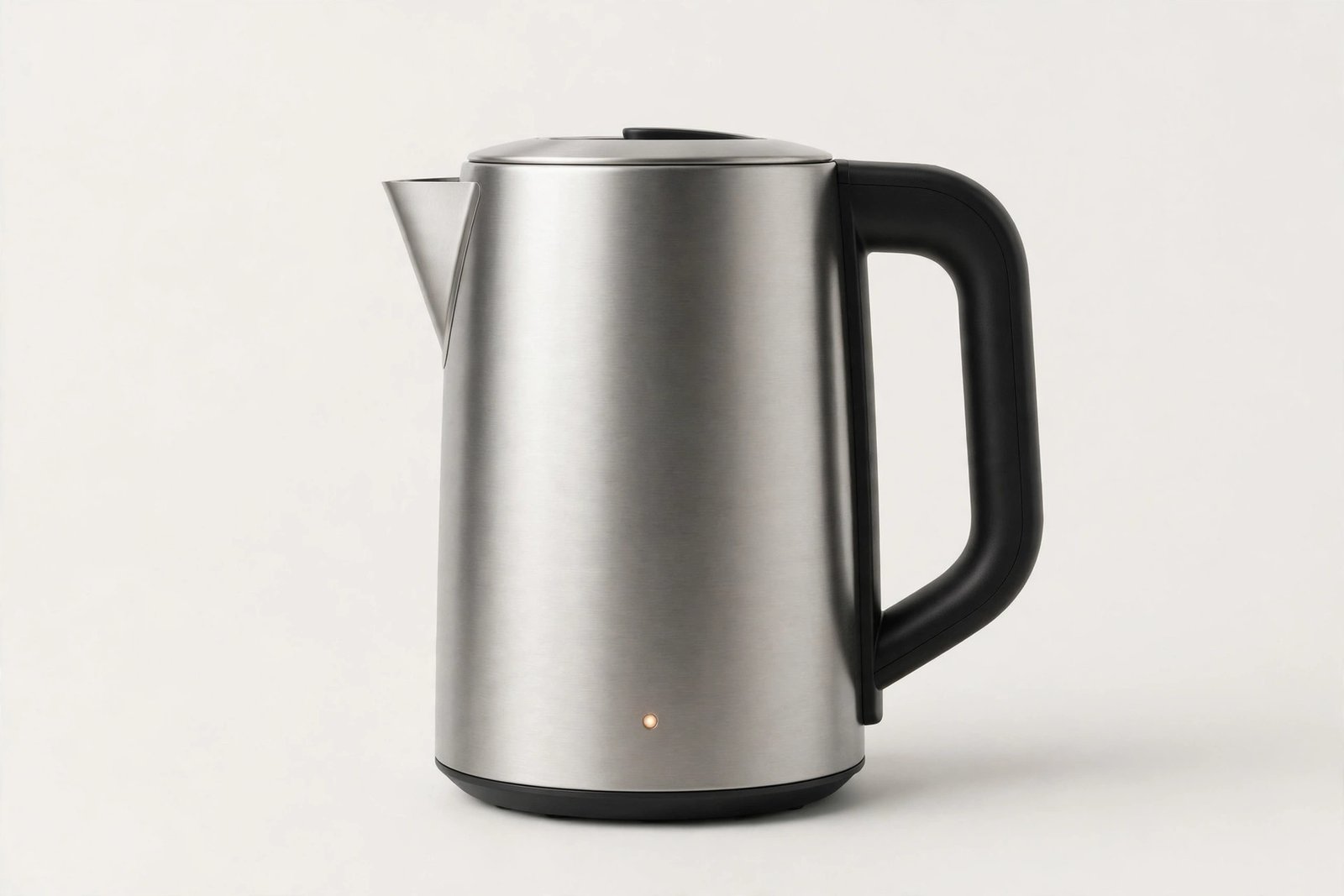
A Quiet Electric Kettle attacks the first noise of the day. Most kettle noise is not the motor — there barely is one — but the roar of water boiling against a thin metal base and the rumble of steam near the end of the cycle. Quiet models use thicker, insulated double walls, a smoother heating plate and a lid that seals properly, so the boil builds gently instead of rattling towards a crescendo. The difference at 6 a.m., with a sleeping household in the same open space, is enormous.
Look for two things beyond the noise rating: a soft-opening lid (a spring lid that pops up can crack against the body) and a gentle “ready” beep you can switch off, because some kettles replace boiling noise with an electronic alarm. Double walls also keep the water hot for a second cup and keep the outside cool to the touch — handy in a small kitchen where the kettle lives within elbow reach. Of all the quiet kitchen appliances in this guide, this is the one that gets used most often, which makes it the best place to start.
Pros
- 👍 Tames the loudest part of most mornings.
- 👍 Double walls keep water hot and the outside cool.
- 👍 Soft lids and optional beeps remove the small extra noises.
- 👍 Used several times a day, so the benefit repeats constantly.
Cons
- 👎 Insulated bodies are heavier, especially when full.
- 👎 Quiet models usually cost more than basic kettles.
- 👎 Still audible in a silent studio — quiet, not silent.
Best for: early risers, tea and coffee drinkers, and anyone whose kettle currently wakes the whole home.
Check Price And User Reviews on Amazon
2. Low Noise Blender
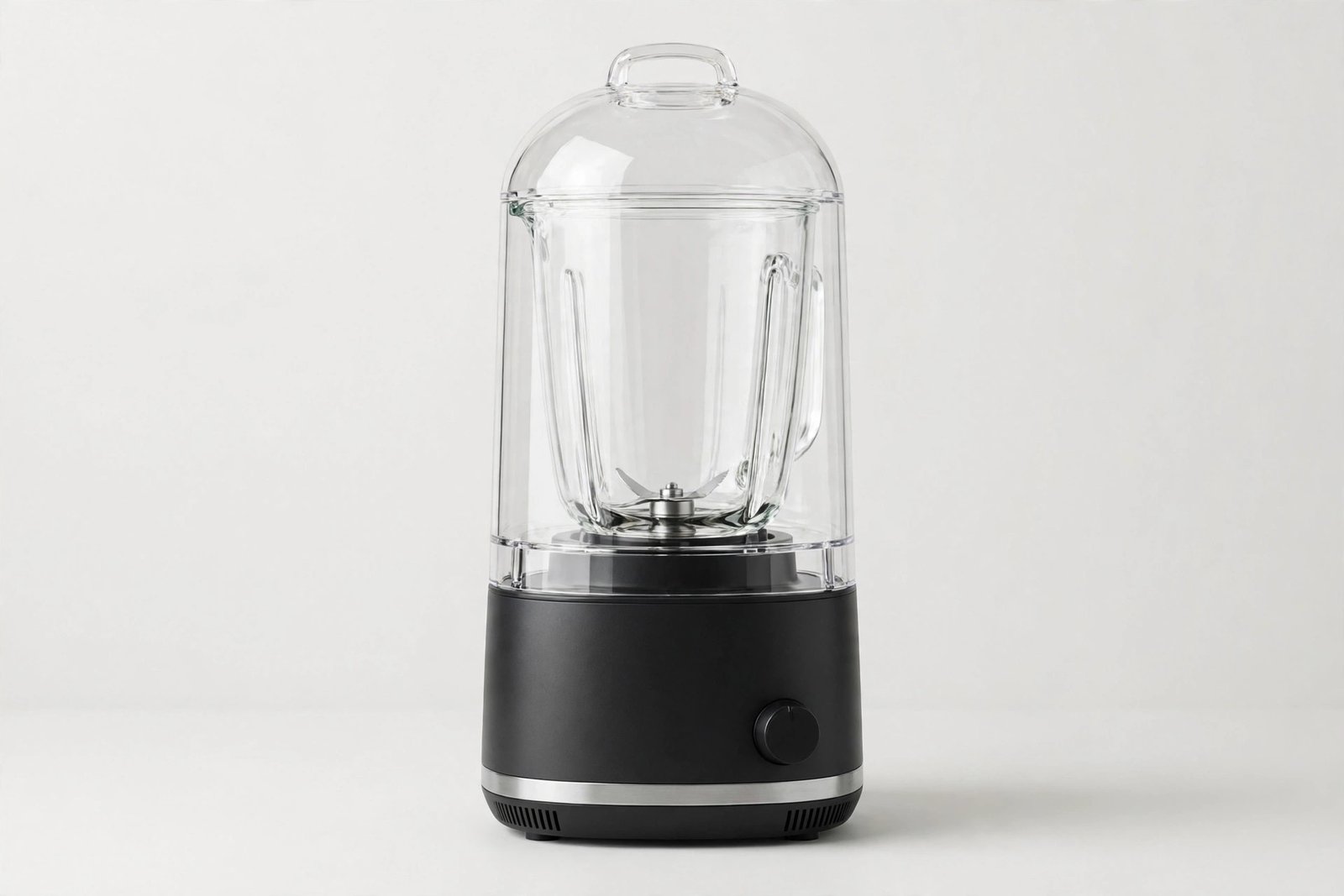
A Low Noise Blender takes on the single loudest appliance most kitchens own. A standard blender at full speed can be louder than a vacuum cleaner, which in an open plan apartment means smoothies are effectively banned before work calls and after bedtime. Quiet models fight back on three fronts: a transparent sound enclosure that drops over the jug and muffles the worst of it, a motor that ramps up gradually instead of jumping straight to full scream, and a heavy, damped base that stops the whole unit dancing and rattling across the worktop.
The enclosure is the headline feature, and it works — the high-pitched whine that carries through walls is exactly what it absorbs best. Check that the shield lifts off easily for washing and storing, because a blender you have to assemble is a blender you stop using. Power matters too: quieter should not mean weaker, and a good model still crushes ice and frozen fruit properly.
Pros
- 👍 Sound shield cuts the piercing whine dramatically.
- 👍 Gradual speed ramp-up avoids the startling jump to full power.
- 👍 Early-morning smoothies become socially acceptable again.
- 👍 Heavy damped base reduces worktop vibration and rattling.
Cons
- 👎 The enclosure adds bulk and needs storage space.
- 👎 Among the pricier picks in this guide.
- 👎 Shield and jug both need washing after use.
Best for: smoothie makers, early risers, parents of napping babies, and anyone with a blender ban after 9 p.m.
Check Price And User Reviews on Amazon
3. Quiet Burr Coffee Grinder

A Quiet Burr Coffee Grinder solves a short noise that somehow feels longer than it is: twenty seconds of high-speed grinding that echoes around an open plan room like a power tool. The quiet secret is the drive system. Gear-driven burr grinders turn the burrs slowly through a reduction gearbox, so instead of a screaming direct-drive motor you get a low, brief churning sound — and as a bonus, slower grinding also treats the beans more gently and gives a more even grind for better-tasting coffee.
The other noise to watch is the container: grounds bins that rattle against the body amplify everything, so look for a snug-fitting, preferably heavier container and anti-static design that stops grounds jumping and tapping. A sealed hopper lid matters too, both for freshness and because a loose lid is a tiny drum. Timed dosing helps in a different way — grind exactly what you need in one short burst instead of pulsing repeatedly. For coffee lovers in shared spaces, this is one of the most life-improving low noise kitchen gadgets on the list, because it protects both the morning and the relationships in it.
Pros
- 👍 Slow gear drive replaces the whine with a low murmur.
- 👍 Even burr grinding improves flavour as well as volume.
- 👍 Short grind times keep the total disturbance tiny.
- 👍 Compact footprint suits small apartment worktops.
Cons
- 👎 Slower grinding takes a few seconds longer per dose.
- 👎 Burrs need occasional cleaning to stay consistent.
- 👎 Very hard, light-roast beans are still not completely silent.
Best for: coffee lovers, early risers, and households where the grinder currently acts as an alarm clock.
Check Price And User Reviews on Amazon
4. Slow Masticating Juicer
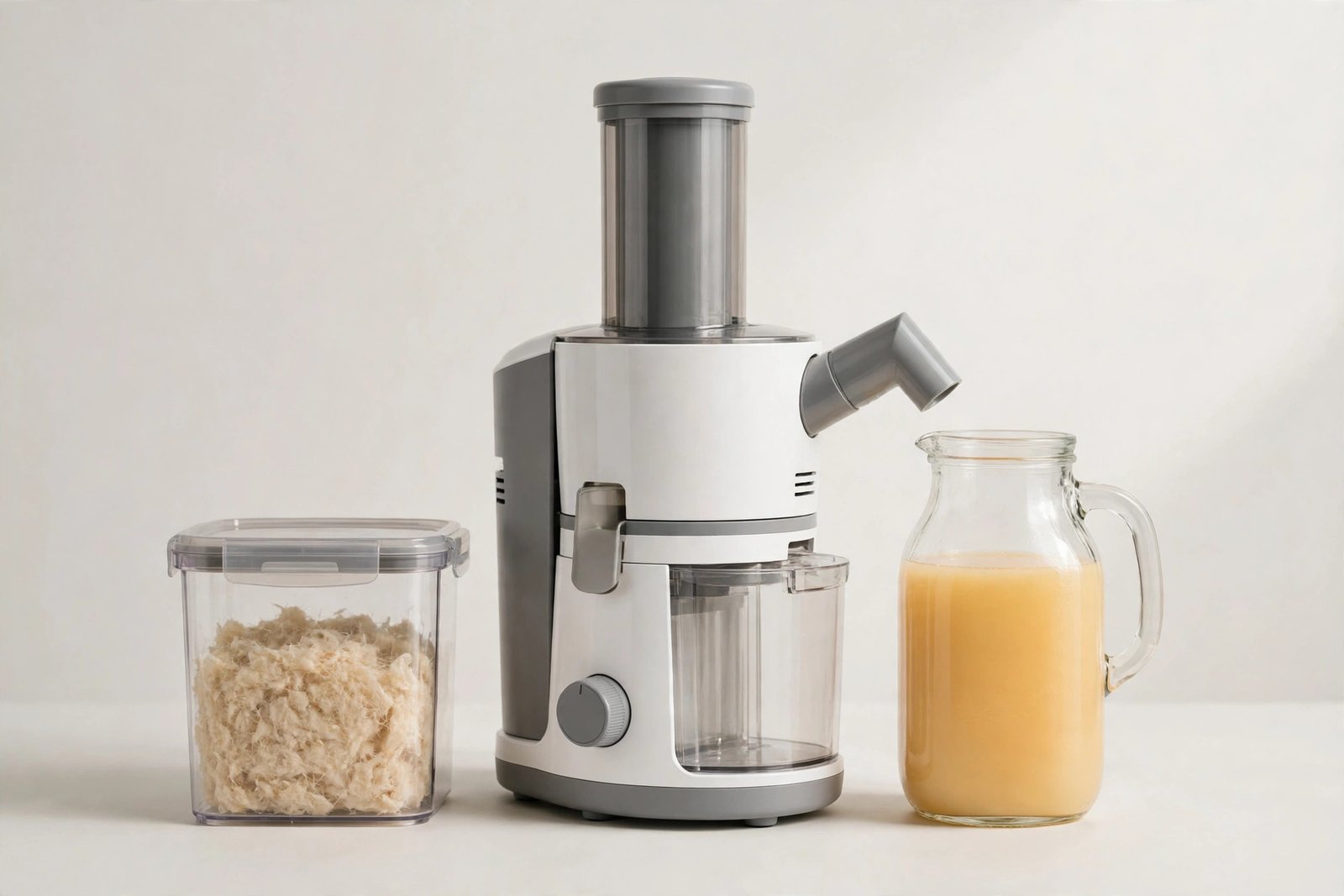
A Slow Masticating Juicer is quiet by physics rather than by engineering add-ons. Instead of a centrifugal juicer’s spinning basket — which sounds like a small aircraft and flings produce around at thousands of RPM — a masticating juicer uses a slow auger that crushes and squeezes fruit and vegetables at a gentle pace. The result is a low hum you can talk over, plus juice that many people find richer, with less foam and oxidation because less air gets whipped in.
That slowness is the trade-off to accept: feeding and pressing take a little longer, and hard produce works best cut into sensible pieces. In return, leafy greens and soft fruits yield far better than in a centrifugal machine, which often just flings them into the pulp bin. Check that the auger, screen and jugs come apart without a fight for washing. If juicing is a morning ritual in a home where other people are still asleep, this style of juicer is the difference between a hobby and a household dispute — a naturally quiet kitchen appliance rather than a muffled loud one.
Pros
- 👍 Slow squeezing hums instead of screaming.
- 👍 Better yield from leafy greens and soft fruit.
- 👍 Less foam and oxidation for richer-tasting juice.
- 👍 Conversation-level noise suits open plan mornings.
Cons
- 👎 Slower than centrifugal juicing, with more prep cutting.
- 👎 Several parts to wash after every use.
- 👎 Vertical models can be tall for low wall cupboards.
Best for: daily juicers, green-juice fans, and anyone juicing while the household sleeps.
Check Price And User Reviews on Amazon
5. Quiet Food Processor
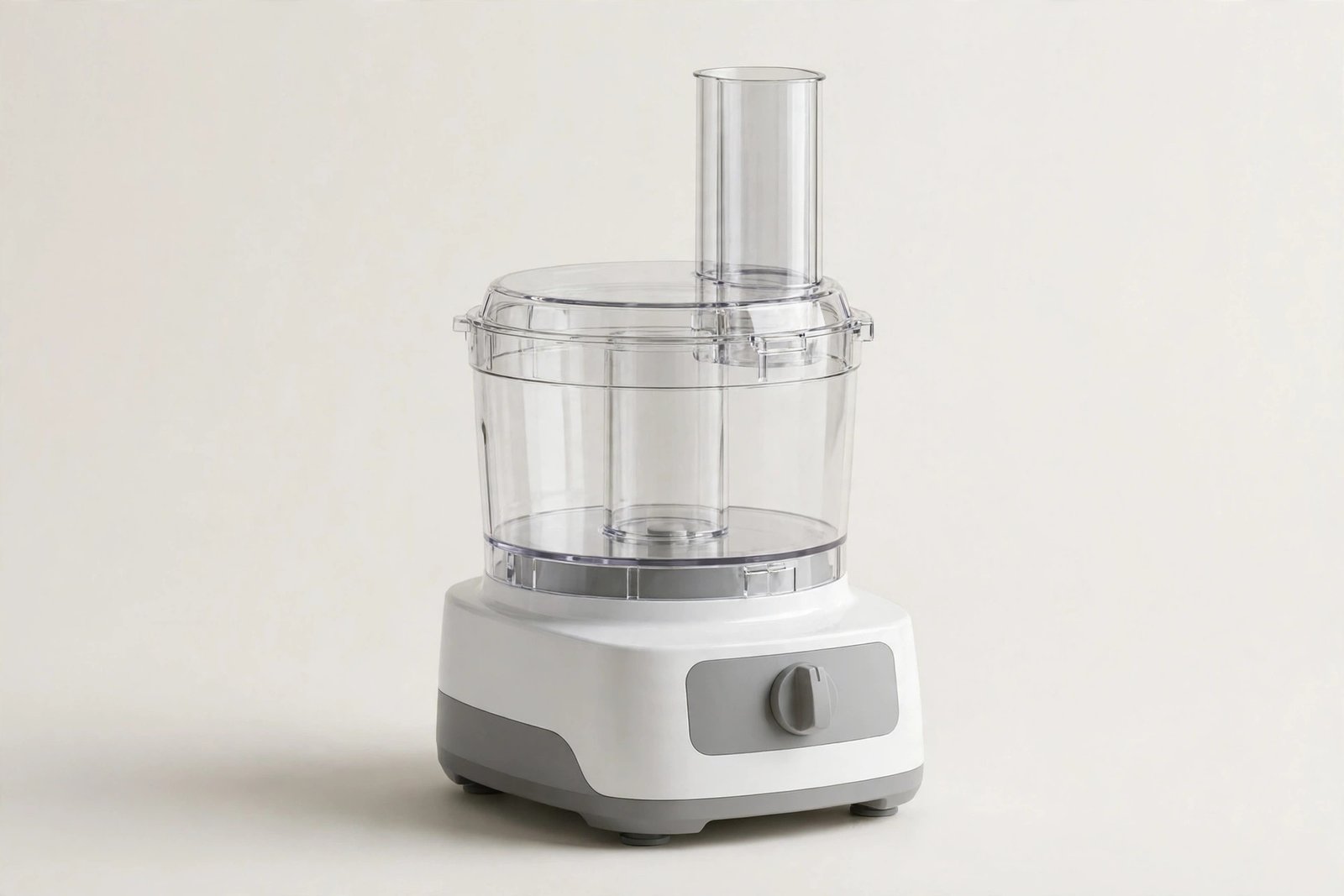
A Quiet Food Processor earns its place because processing is rarely a single burst: chopping onions, grating cheese, slicing vegetables and kneading dough can mean minutes of motor noise at the exact moment someone is on a video call in the same room. Quieter models use induction or well-insulated motors, thick-walled bowls that do not ring like a bell when hard vegetables hit them, and heavy bases with proper rubber feet so the machine’s energy goes into the food rather than into the worktop.
How you use it matters as much as the model. Working in short pulses is usually noisier overall than one smooth run, so a processor with strong low-speed torque that can power through a full bowl steadily is genuinely quieter in practice. A wide feed tube reduces the stop-start of re-cutting produce to fit, and a lid that locks with a soft, solid click — instead of a sharp snap — is a small mercy you notice daily. Among quiet kitchen appliances this is the workhorse pick: the one that makes weeknight cooking, batch cooking and baking prep possible in an open plan home without everyone else raising their voice.
Pros
- 👍 Insulated motor and heavy base cut both whine and vibration.
- 👍 Strong low-speed torque means fewer noisy pulses.
- 👍 Thick-walled bowl dulls the rattle of hard ingredients.
- 👍 Handles chopping, slicing, grating and dough in one machine.
Cons
- 👎 Bowls, blades and discs take real storage space.
- 👎 Ice and very hard items will always make some noise.
- 👎 More parts to wash than a knife and board.
Best for: batch cooks, bakers, and anyone prepping dinner during someone else’s call or nap.
Check Price And User Reviews on Amazon
6. Quiet Stand Mixer
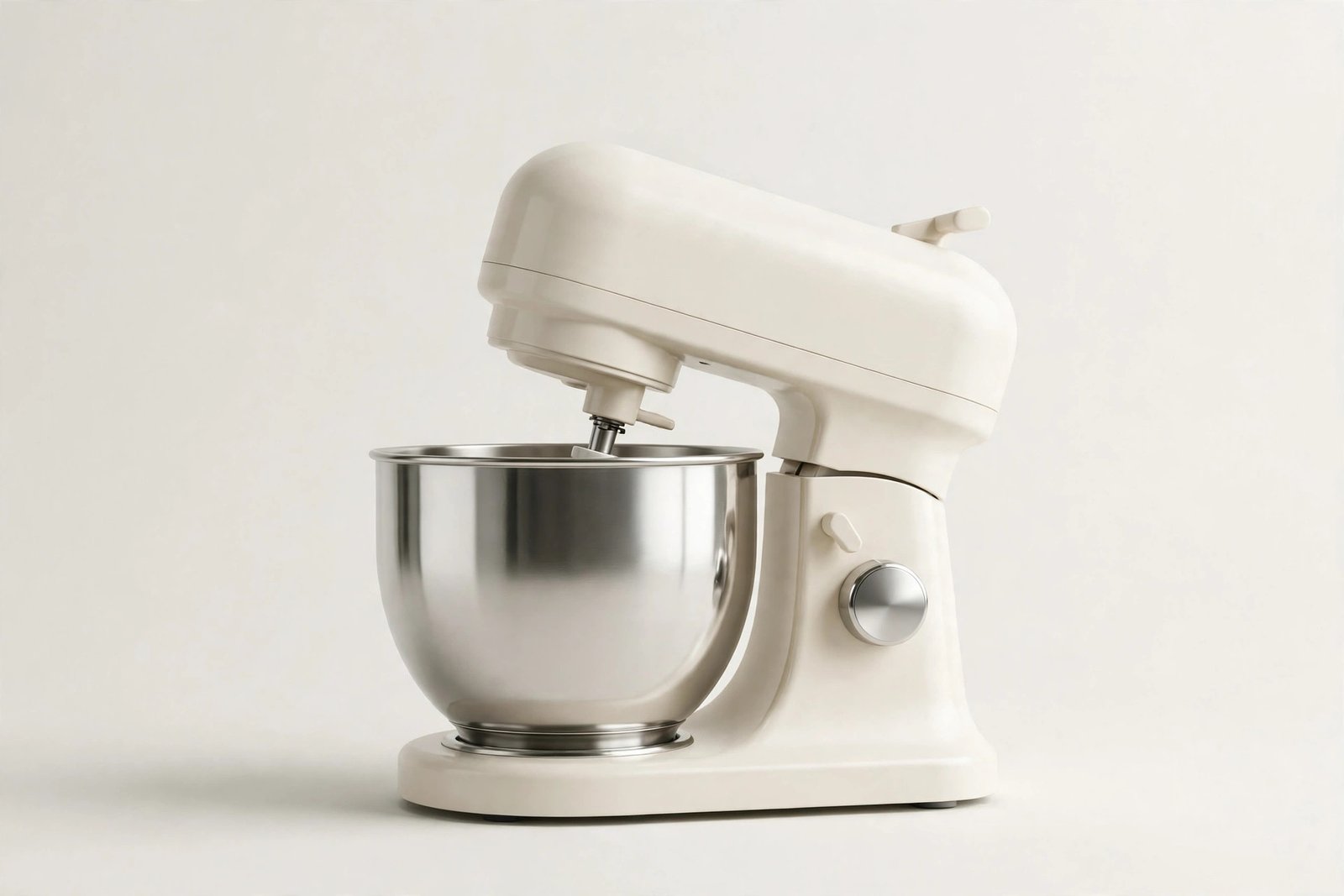
A Quiet Stand Mixer fixes the long, grinding soundtrack of baking day. Cheap mixers whine through their gearboxes and walk across the counter under load; better ones use all-metal gears or direct-drive motors that produce a lower, steadier hum, plus a heavy cast body that absorbs vibration instead of broadcasting it. The practical difference is a machine you can run for ten minutes of kneading while a film plays in the same room — not one you apologise for.
Two details separate the genuinely quiet from the merely expensive. First, a soft-start motor: it spools up gently rather than jerking the bowl, avoiding both the noise spike and the flour cloud. Second, a bowl that locks firmly into the base, because half the racket from any mixer is the bowl rattling in its mount. A low, slow fold setting matters too, so you are not forced to use a loud high gear for delicate mixtures. For regular bakers in open plan homes, a quiet stand mixer turns weekend baking from a noise event back into a pleasure.
Pros
- 👍 Metal gears or direct drive give a low, steady hum.
- 👍 Heavy body absorbs vibration instead of spreading it.
- 👍 Soft start prevents noise spikes and flour clouds.
- 👍 Long kneading sessions no longer dominate the room.
Cons
- 👎 Heavy to move, so it tends to live on the worktop.
- 👎 Quality quiet models are a significant purchase.
- 👎 Attachments for pasta, mincing and more cost extra.
Best for: regular bakers, bread makers, and households that entertain while they cook.
Check Price And User Reviews on Amazon
7. Quiet Air Fryer

A Quiet Air Fryer is all about the fan. Air fryers cook by blasting hot air around the basket, and on cheaper models that fan produces a hairdryer-like drone for the full fifteen or twenty minutes of cooking — right through dinner conversation in an open plan room. Quieter designs use larger, slower-turning fans with better-shaped blades and insulated walls, moving the same air with a softer whoosh that fades into the background instead of competing with the television.
The small noises deserve attention too, because they are the ones that startle: the basket should slide and click home with a dull thunk rather than a metal clang, and the timer alert should be a gentle beep — ideally one you can mute — not a microwave-style siren. An air fryer that respects the room it cooks in is one of the most appreciated noise reducing kitchen gadgets for weeknight cooking, because it runs at exactly the time everyone else is trying to relax.
Pros
- 👍 Larger, slower fan cooks without the hairdryer drone.
- 👍 Dinner cooks quietly in the same room as the TV.
- 👍 Faster and more efficient than heating a full oven.
- 👍 Gentle or mutable alerts avoid the end-of-cycle shock.
Cons
- 👎 Even quiet models make some fan noise — it is how they work.
- 👎 Family sizes take up significant worktop space.
- 👎 Basket and crisper plate need washing after most uses.
Best for: weeknight cooks, small households, and anyone whose air fryer currently drowns out the news.
Check Price And User Reviews on Amazon
8. Portable Induction Cooktop

A Portable Induction Cooktop is the quietest way to actually cook. There are no clicking gas igniters, no ticking cooling fans on a hot plate, and — the open plan bonus nobody expects — far less need for a roaring extractor hood, because induction produces less airborne grease and heat than other cooking methods. Most of the sound is a faint electronic hum at high power and the gentle murmur of the pan itself, which makes it a natural partner for small-space cooking; our guide to kitchen gadgets for small apartments makes a similar case for it on space grounds alone.
The honest caveats are about cookware and control. Your pans need a magnetic base — test them with a fridge magnet — and a few lightweight pans can buzz at certain power settings, which swapping to a heavier pan usually fixes. In return you get instant, precise heat, a surface that stays comparatively cool and wipes clean in seconds, and a unit that slides into a drawer when you need the worktop back. As silent kitchen appliances for apartments go, this one is close to the genuine article: for most everyday cooking it works away in the background of the room without announcing itself at all.
Pros
- 👍 Near-silent cooking — just a faint hum at high power.
- 👍 Less heat and grease means less extractor fan roar.
- 👍 Precise, instant temperature control for better cooking.
- 👍 Stores in a drawer and doubles as an extra burner.
Cons
- 👎 Only works with magnetic-based pans.
- 👎 Some light pans buzz at particular power levels.
- 👎 Touch controls can be fiddly with wet hands.
Best for: studio and small-apartment cooks, renters, and anyone who wants an extra burner without the noise.
Check Price And User Reviews on Amazon
9. Quiet Countertop Ice Maker
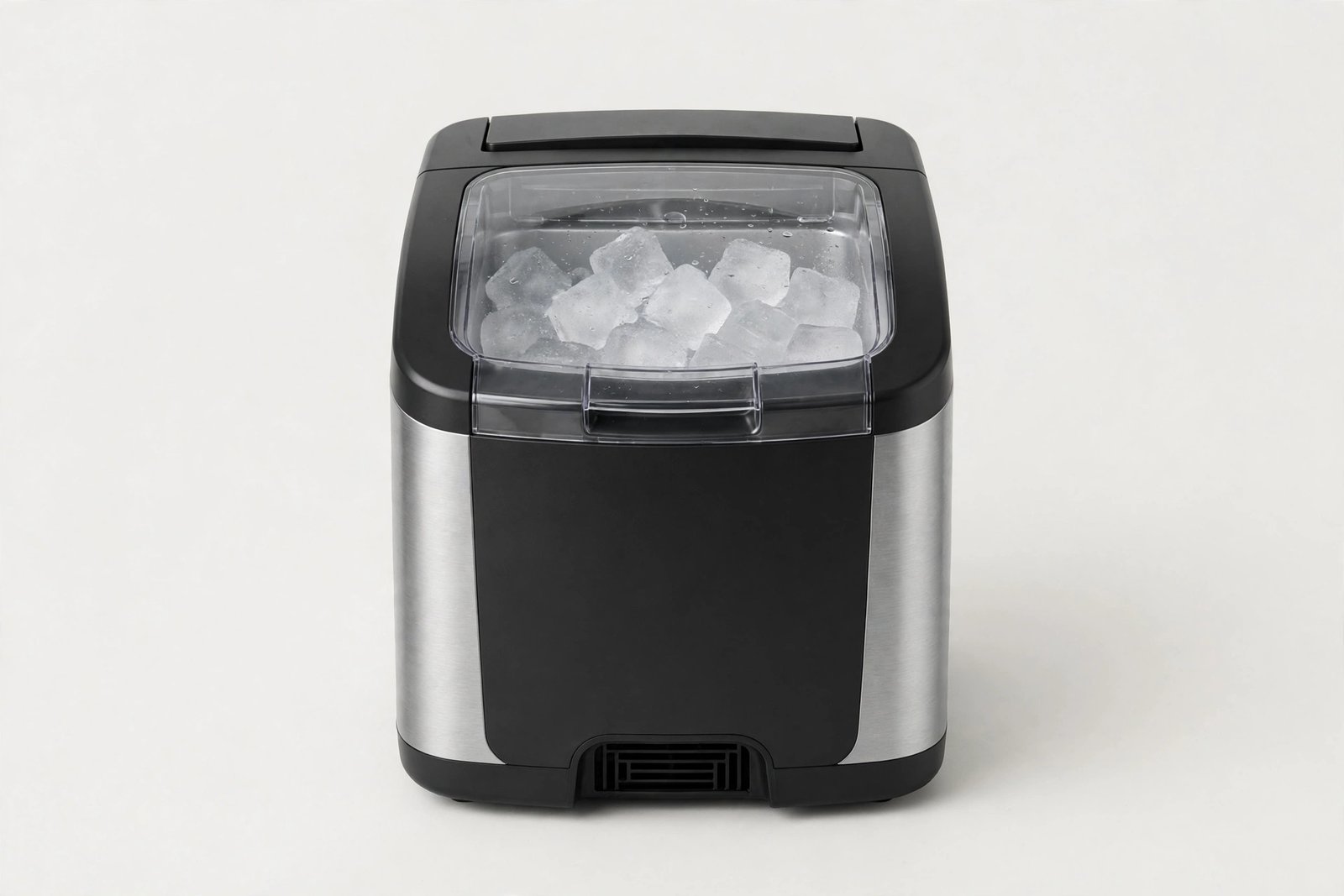
A Quiet Countertop Ice Maker is a pick most people only appreciate once they have lived with a loud one. Countertop ice makers cycle all day when they are switched on — compressor hum, fan whir, and the clatter of fresh cubes dropping into the basket — and in an open plan apartment that cycle happens in your living room. Quieter models insulate the compressor, use a gentler fan and, most noticeably, shape the ice drop so cubes slide into the basket instead of free-falling onto hard plastic.
Placement does half the work with any ice maker: a level, solid surface on rubber feet keeps the compressor’s vibration out of the worktop, and a little breathing room around the vents lets the fan run slower and quieter. Think about when it runs, too — many households switch it on ahead of need (before guests arrive, before a hot afternoon) and off during films and calls. For entertainers and anyone in a flat without a plumbed-in fridge dispenser, a quiet ice maker is a luxury that behaves politely — ice on demand, without a background buzz you only notice when it finally stops.
Pros
- 👍 Insulated compressor removes the constant background buzz.
- 👍 Softer ice drop ends the cube-clatter cycle.
- 👍 Fresh ice in minutes, no freezer trays to manage.
- 👍 Great for guests, cocktails and hot days in small flats.
Cons
- 👎 Claims a permanent slice of worktop space.
- 👎 Needs regular descaling and water changes to stay fresh.
- 👎 Ice melts back into the tank if left sitting for hours.
Best for: entertainers, cocktail makers, and flats without a freezer ice dispenser.
Check Price And User Reviews on Amazon
10. Soft Close Trash Can

A Soft Close Trash Can deals with the most frequent bang in most kitchens. A pedal bin gets opened and closed dozens of times a day, and a plain metal lid dropped from height makes a clang that carries through an open plan room — and through the wall into a neighbour’s flat. A damped, soft-close lid lowers itself the last few centimetres in silence, and a good pedal mechanism opens it with a press rather than a stomp, so the whole transaction becomes nearly silent.
Look for a lid damper rated for the bin’s size (an under-damped heavy lid still thuds), a pedal with a solid, non-slip base so the bin does not rock and scrape on hard floors, and a fingerprint-resistant finish, because stainless steel bins live on display in an open plan kitchen. It is the least glamorous entry in this guide and quite possibly the most used: a genuinely quiet fix for a noise that happens twenty times a day rather than twice.
Pros
- 👍 Ends the lid clang that happens dozens of times a day.
- 👍 Smooth pedal action — no stomping or rocking.
- 👍 Looks smart enough for an on-display open plan kitchen.
- 👍 Nothing to charge, programme or maintain beyond the damper.
Cons
- 👎 Damped lids close slowly, which impatient cooks notice.
- 👎 Costs noticeably more than a basic pedal bin.
- 👎 The damper can wear after years of heavy use.
Best for: every open plan kitchen, night-time snackers, and neighbours separated by thin walls.
Check Price And User Reviews on Amazon
11. Soft Close Cabinet Door Dampers
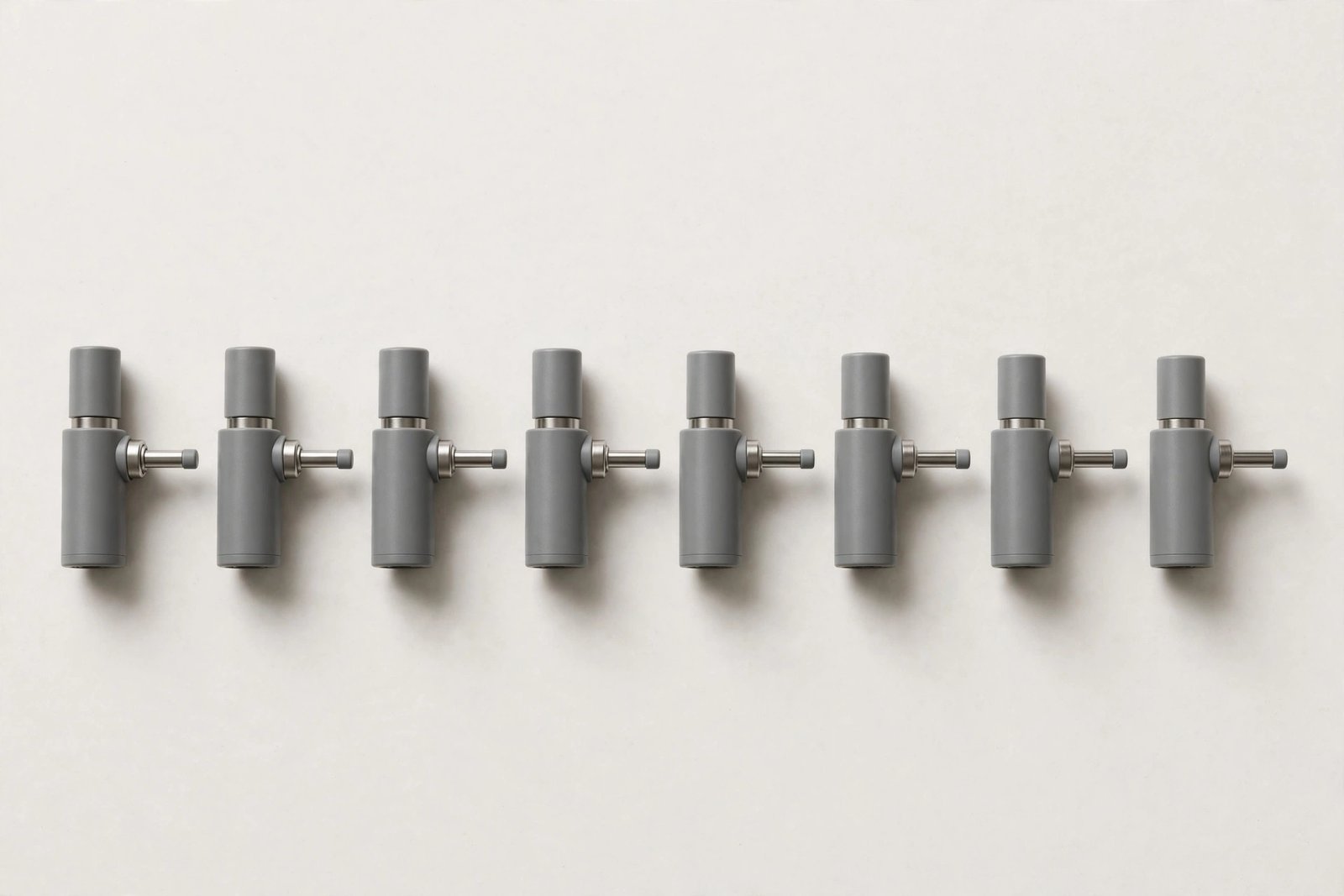
Soft Close Cabinet Door Dampers are the smallest, cheapest fix in this guide, and for many apartments the most satisfying. They are little hydraulic buffers that fit inside the cabinet or onto the hinge side of the frame; when a door swings shut, the damper catches it in the last few centimetres and eases it closed in silence. One pack retrofits a whole kitchen in under an hour with a screwdriver — no new doors, no new hinges, no landlord drama, since most designs screw into the cabinet carcass and can be removed later.
They punch far above their price because cabinet slams are the defining percussion of an open plan home: every mug, plate and pan involves a door, and each one used to announce itself. The gentle closing is also kinder to the cabinets themselves and to anyone with weaker grip strength, which is why similar hardware features in our guide to easy grip kitchen gadgets for arthritis. Check compatibility before ordering — most dampers suit standard framed and frameless cabinets, and one per door is enough for light doors, two for heavy ones. If you buy only one thing from this list of noise reducing kitchen gadgets, make it these.
Pros
- 👍 Ends cupboard-door slams throughout the whole kitchen.
- 👍 One inexpensive pack usually covers every door.
- 👍 Fitted in under an hour with a basic screwdriver.
- 👍 Renter-friendly — small screw holes, removable later.
Cons
- 👎 Heavy solid-wood doors may need two dampers each.
- 👎 Does nothing for drawers unless you buy the drawer version.
- 👎 Very cheap dampers can lose their cushion over time.
Best for: renters, flatmates, parents, and anyone whose kitchen doors sound like percussion instruments.
Check Price And User Reviews on Amazon
12. Anti Vibration Appliance Pads

Anti Vibration Appliance Pads close this guide because they quiet the gadgets you already own. A surprising share of appliance noise is not the motor’s sound in the air at all — it is vibration passing into the worktop, the cupboard or the floor, which then acts like a loudspeaker. Dense rubber or silicone pads slipped under the feet of a blender base, a coffee machine, a microwave or an ice maker break that path, and the perceived volume in the room drops immediately, especially the low hum that carries into the flat below.
They cost very little, take a minute per appliance to fit, and stack with every other pick in this guide — a quiet blender on anti-vibration pads is quieter than either fix alone. Choose pads rated for the appliance’s weight (compressor appliances like fridges and ice makers need the sturdier type), and make sure the surface still sits level afterwards, because a rocking appliance is a noisy one. Under washing machines in open plan kitchen-living spaces, the heavier-duty versions are close to essential. As low noise kitchen gadgets go, none offers more decibels per coin than these unglamorous little squares.
Pros
- 👍 Quietens the appliances you already own, instantly.
- 👍 Cuts the low hum that travels through floors and worktops.
- 👍 Very inexpensive and fitted in a minute per appliance.
- 👍 Stacks with every other quieting fix in this guide.
Cons
- 👎 Does nothing for airborne noise like fan roar or whines.
- 👎 Must be weight-rated for heavier appliances.
- 👎 Raises appliances slightly, which matters under low cupboards.
Best for: everyone — especially flats with downstairs neighbours and wooden floors.
Check Price And User Reviews on Amazon
Buying Guide
1. Understand Decibels Before You Buy
Decibels are the only honest measure in this whole category, and they work on a scale worth learning: normal conversation sits around 60 dB, a quiet room around 40 dB, and every 10 dB increase sounds roughly twice as loud to your ears. That means a blender rated at 70 dB is not a little quieter than one at 85 dB — it sounds dramatically quieter in the room. As a rule of thumb for open plan life, look for kettles, grinders and other small motors rated under about 60 dB, and be suspicious of any “quiet” claim with no number attached.
2. Match the Gadget to the Noise That Annoys You
Not all kitchen noise is the same, and the fix depends on the type. High-pitched whines — blenders, grinders, centrifugal juicers — carry furthest and irritate most, and they respond to sound shields and slower motors. Low hums and rattles are usually vibration, and they respond to weight, rubber feet and anti-vibration pads. Short sharp bangs — lids, doors, baskets — are impact noise, solved by soft-close dampers rather than quieter motors. Before buying anything, stand in your living area during a normal cooking session and write down the three sounds you actually hear. That list, not an advert, should decide your first purchases.
3. What to Check Before You Buy Any Quiet Appliance
Four checks separate genuinely silent kitchen appliances for apartments from relabelled ordinary ones. First, the source of the quiet: a stated decibel rating, a slower drive system, an insulated housing or a sound enclosure — not just the word “silent” in the title. Second, the small noises: beeps you can mute, lids that open softly, buttons that do not click like a mouse trap, because in a quiet machine the beep becomes the loudest thing it does. Third, stability: weight, rubber feet and a firm-fitting bowl or jug, since rattling parts undo good motor design. Finally, read recent reviews specifically mentioning noise and neighbours — apartment dwellers review exactly the thing you care about.
4. Quiet the Kitchen You Already Own, Too
You do not have to replace everything to get most of the benefit. Fit the cabinet dampers and anti-vibration pads first — together they are the cheapest items in this guide and they improve every day immediately. Move the loudest appliances off hollow worktop sections and away from the wall shared with the living area, because surfaces and corners amplify sound. Cook with lids on pans to cut boiling and sizzling noise, and run the dishwasher on its night cycle while you are out rather than during the evening. Then replace appliances in order of noise and frequency of use — for most homes that means the kettle, then the blender, then the grinder.
Conclusion
The best quiet kitchen gadgets for open plan apartments share one idea: the kitchen should be heard only by the person cooking. A damped kettle starts the day gently, a shielded blender and a gear-driven grinder stop performing for the whole flat, soft-close hardware removes the daily percussion, and a few pads stop the worktop acting as a loudspeaker. None of it requires rebuilding the kitchen — it is the same cooking, at a volume the rest of the home can live with.
If you want the fastest wins, start with the cabinet dampers and anti-vibration pads today, then replace the kettle — the most-used noisemaker in most homes — and work down the list as appliances wear out. Whatever you choose, check the latest price on Amazon before you buy, confirm the decibel rating where one is offered, and enjoy a kitchen that finally knows it is sharing the room.
More Guides You’ll Like
Quieting a small kitchen usually goes hand in hand with organising it, so if worktop space is as scarce as silence, our roundup of kitchen gadgets for cooking for one person is full of right-sized appliances, and our guide to cordless kitchen gadgets for clutter free counters tackles the cable tangle that makes small kitchens feel smaller. For the room itself, see our kitchen gadgets for small apartments and our list of space saving gadgets for studio apartments. And if the budget is the loudest problem of all, our roundup of useful gadgets under $25 for everyday use includes several of the small fixes mentioned here.
FAQs
What decibel level counts as quiet for a kitchen appliance?
As a working rule, anything at or below about 55–60 dB at its normal working speed will sit comfortably at or below conversation level in an open plan room, and most people stop noticing it within a minute. Appliances in the 60–70 dB range are audible but manageable, while the 80 dB-plus club — cheap blenders, centrifugal juicers, some grinders — will dominate the whole space. Always compare ratings measured the same way, and remember that distance helps: a 60 dB appliance three metres away sounds far quieter than the same rating at arm’s length.
Why does kitchen noise seem so much worse in open plan apartments?
Three reasons. First, there are no doors or walls to block sound, so noise reaches the sofa and bed at nearly full strength. Second, open plan spaces usually have hard surfaces — wood or tile floors, bare walls, big windows — that reflect sound instead of absorbing it, making everything feel louder and echoier. Third, timing: the noise happens while other people are resting, working or watching something in the same space, so it is not just louder, it is more intrusive. Soft furnishings and rugs genuinely help, which is why the gadgets in this guide focus on lowering the noise at the source.
Which kitchen gadget is usually the loudest?
The blender, by a clear margin — full-size models at high speed commonly reach vacuum-cleaner territory and beyond, and the high-pitched character of the sound carries through the whole home. Centrifugal juicers and blade coffee grinders compete for second place, followed by kettles near the end of the boil. That ranking is why this guide orders the fixes by frequency times volume: the kettle first (used most often), then the blender (loudest), then the grinder.
Do blender sound shields and enclosures actually work?
Yes — they are one of the few noise accessories with a real effect, because the worst part of blender noise is the high-frequency whine, and a close-fitting transparent enclosure absorbs and reflects exactly those frequencies before they reach the room. The motor’s low rumble remains, but it is the whine that wakes babies and interrupts calls. The trade-offs are practical rather than acoustic: the shield needs storage, it must come off for washing, and you lift it on and off for every blend. For daily blenders in open plan homes, most owners find that a fair exchange.
Can I make my existing appliances quieter without replacing them?
Often, yes. Anti-vibration pads under the feet cut the hum that travels through worktops and floors, which is a large share of the perceived noise from coffee machines, microwaves and ice makers; a folded silicone mat under a blender or grinder does a smaller version of the same job. Keep blades sharp and burrs clean, because dull mechanisms work longer and louder, tighten loose jugs and lids that rattle, and move appliances away from corners and hollow cupboard doors that amplify them. None of this turns a loud blender silent, but combined with the cabinet dampers it can transform a kitchen for very little money.
Are quiet kitchen appliances worth the extra cost?
In a house with a separate kitchen, maybe not. In an open plan apartment, usually yes — because the “cost” of noise is paid by everyone in the home, every day, in disturbed sleep and interrupted calls. The sensible approach is the staged one used in this guide: buy the cheap fixes (dampers, pads) immediately, and pay the quiet premium only when replacing the appliances you use most, starting with the kettle and blender. Spread that way, a set of quiet appliances for open plan living costs little more than the standard versions would have.