How to Garden with a Bad Back
A bad back does not have to mean giving up the garden, and learning how to garden with a bad back is mostly about changing the garden to suit you, rather than forcing your back to suit the garden. Raised beds that bring the soil up to waist height, long-handled tools that let you work standing up, short sessions with proper breaks, and plants that look after themselves can keep you gardening comfortably for years. The garden you enjoy is the one you can work in without dreading the next day.
The method in this guide is practical and gentle. First, raise the garden to waist height, so the bending and kneeling that strain a back are designed out of the daily work. Second, choose tools that do the heavy work for you — long handles, lightweight heads and wheels that carry the load. Third, work in short sessions and move well, with breaks built in and good habits that protect your back. And fourth, plan a garden that needs less of you: plants that thrive with little attention, mulch that keeps the weeds down and watering that does not mean hauling heavy cans. If your back is giving you trouble, it is worth talking to a doctor or a physiotherapist before you start a new gardening routine, so you know what is safe for you.
Raise the Garden to Waist Height
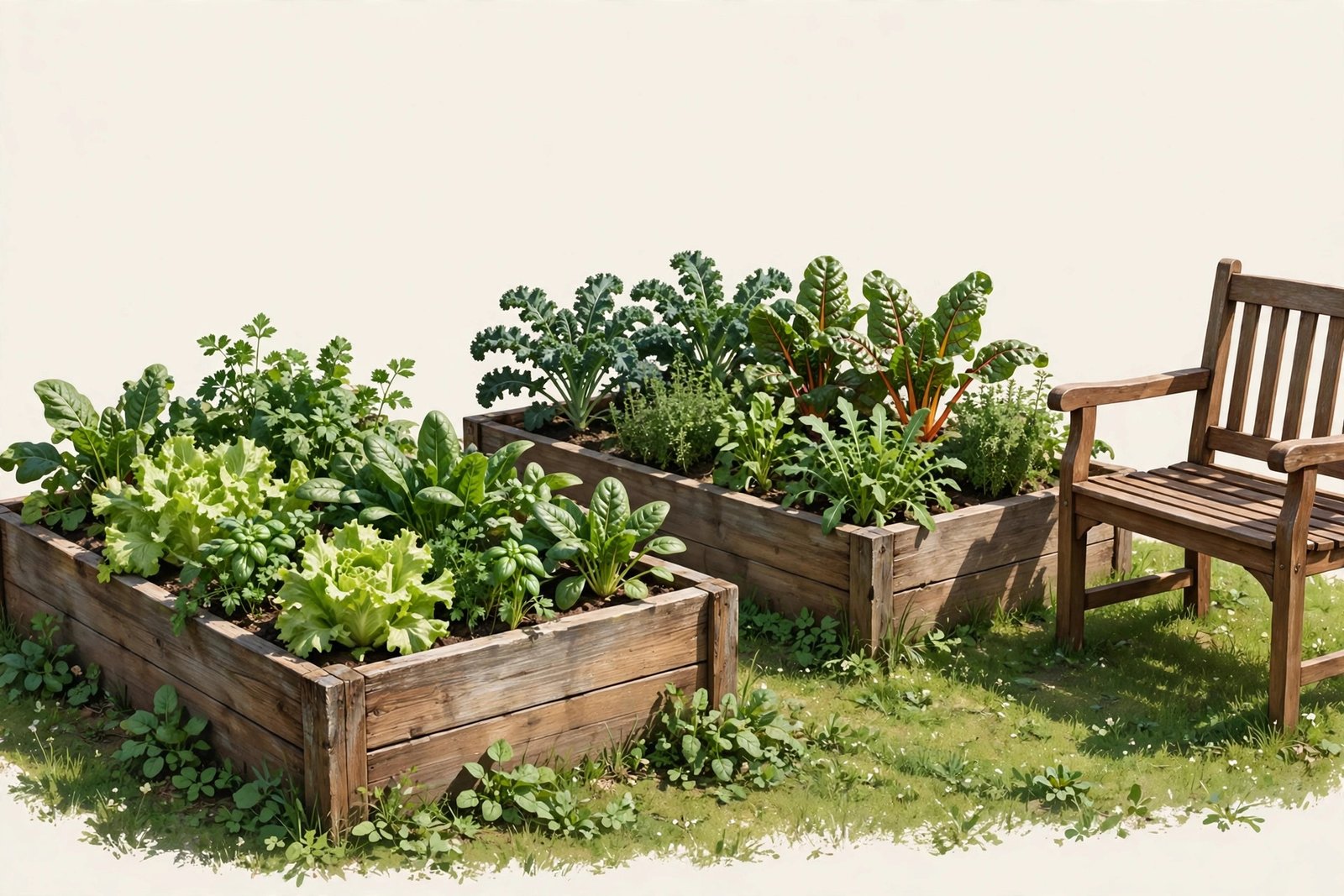
The single biggest change you can make is to stop gardening at ground level. A raised bed built to waist height — roughly the height of a kitchen counter — lets you sow, weed and harvest standing upright, with your back straight and your arms relaxed. A bed that is narrow enough to reach the middle from one side, about 60 to 90 centimetres wide, means you never have to stretch or lean across it, and a bed with a wide, flat edge gives you somewhere to sit and work at a comfortable height.
Raised beds do not have to be expensive or permanent. Timber planks, old bricks, or a ready-made raised bed kit will all do the job, and a bed built on legs — a table garden — works even on a patio or a balcony, where there is no soil underneath at all. Fill the bed with good compost and soil, and the plants will grow just as well as they would in the ground, with the added bonus that the soil warms up faster in spring and drains better after rain.
Containers are the other half of the answer. Large pots, troughs and planters on a sturdy table or a plant stand bring the plants up to a comfortable height, and they can be moved, rearranged and replaced far more easily than a bed in the ground. Put the pots on wheeled stands or a small trolley, and you can move a heavy pot without lifting it at all — just roll it where it needs to go. Group the pots you tend most often near the door or the seat, so the daily watering and picking is a short, easy walk.
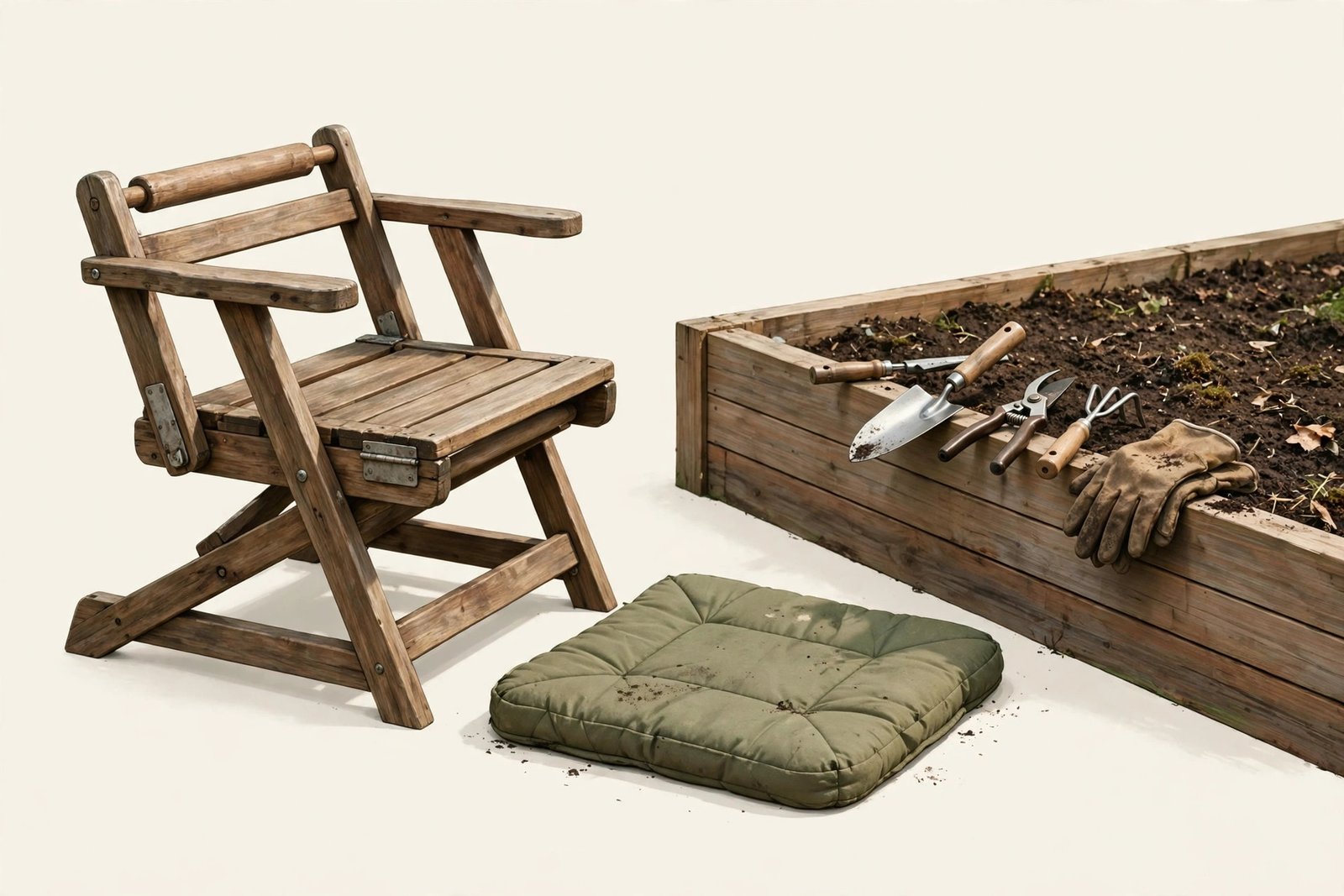
And give yourself somewhere to sit. A sturdy garden chair or a kneeling bench with handles, placed where you work, means you can rest whenever you need to, and a seat at the right height lets you work on a raised bed sitting down, with your back supported. A comfortable gardener is a gardener who keeps gardening — and a seat in the shade, near the beds, is also a good place to enjoy the garden you have made.
Choose Tools That Do the Heavy Work
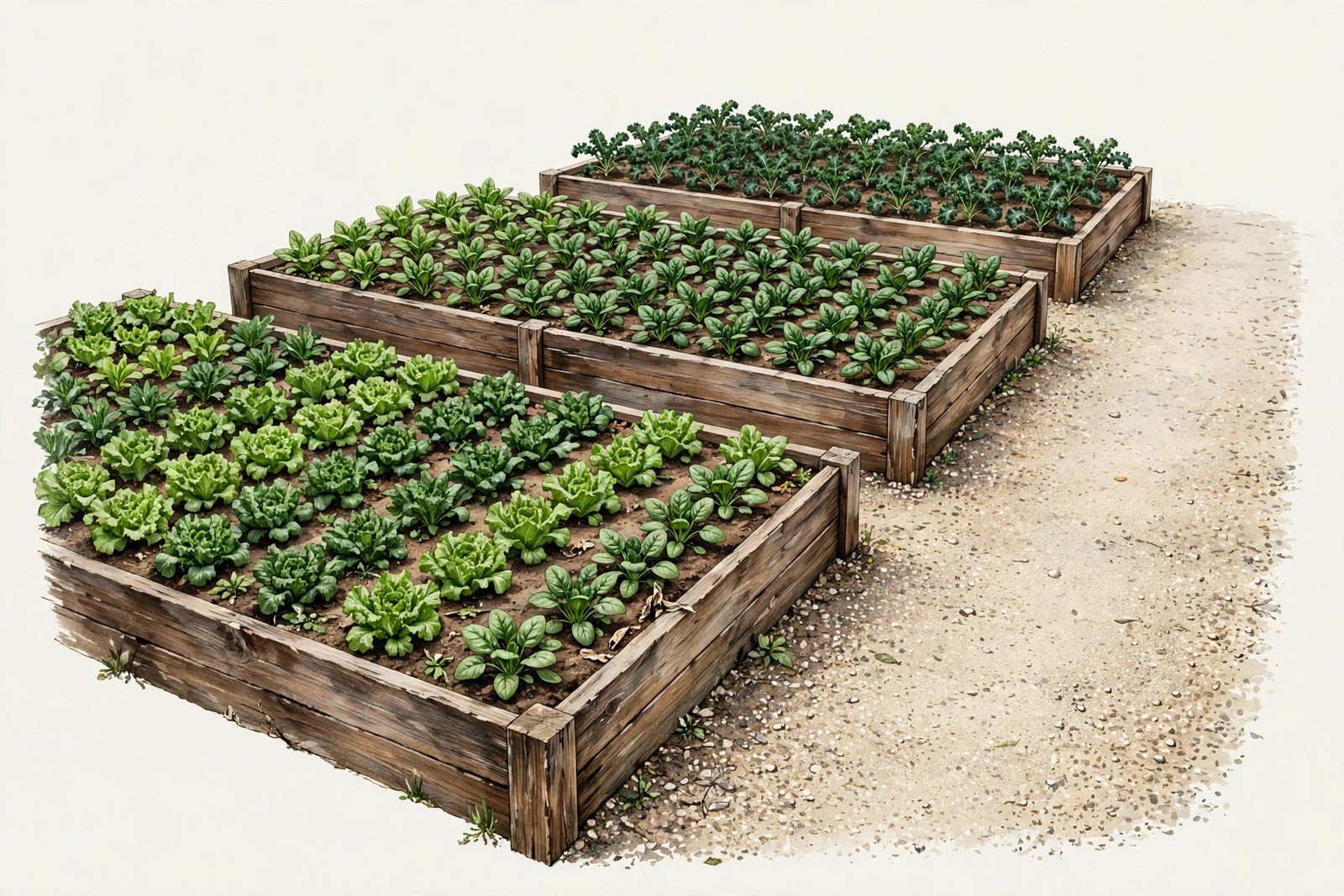
The right tools make the difference between a garden that hurts and a garden that does not. Long-handled tools are the first thing to change: a long-handled fork, spade, hoe and rake let you work the soil standing upright, with your back straight, instead of bent double over a short handle. Look for handles that reach your shoulder or higher, and for heads that are light — a heavy tool at the end of a long handle is hard to control, while a light one does the same job with far less effort.
Weight matters everywhere in the garden. A lightweight watering can, carried half-full in each hand rather than one heavy can in one hand, spreads the load evenly and keeps your back straight. A hose on a reel, with a lightweight spray head, is easier still — it does the carrying for you, and you only hold the spray head. And when you need to move soil, compost or pots, use a wheelbarrow or a garden trolley: one trip with wheels beats four trips carrying bags, and it keeps the heavy lifting off your back entirely.
Look for tools designed for easy gripping and low effort. A trowel with a soft, fat handle is easier on the hands than a thin metal one, and a pair of ratchet secateurs cuts thick stems with far less force than ordinary ones — a real help when your grip is not what it was. A long-handled weed puller lets you pull weeds standing up, and a kneeling pad with handles helps you get down and back up again safely when you do need to work low.
Finally, keep the tools sharp and clean. A blunt spade or a rusty pair of secateurs needs far more force than a sharp one, and that extra force goes straight to your back and your hands. A few minutes with a file and an oily rag after each session keeps the tools working easily, and it is time well spent — because a tool that cuts cleanly is a tool that does not fight you.

Work in Short Sessions and Move Well
The way you work matters as much as what you work with. Short sessions — twenty to thirty minutes at a time, with a break in between — are far kinder to a back than a single long stint, and a garden worked in short sessions gets just as much done over a week. Set a timer if it helps, and stop when it goes off, even if the job is not finished. The weeds will still be there tomorrow, and your back will thank you for leaving them.
Move well while you work. Bend at the knees, not at the waist, when you do need to lift or reach low, and keep the load close to your body. Avoid twisting while you lift — turn your feet to face the direction you are moving instead of twisting your spine. And change position often: if you have been standing at a raised bed, sit down for a while; if you have been sitting, stand up and stretch. A back that changes position regularly is a back that stays comfortable.
Warm up before you start, just as you would before any other physical activity. A few minutes of gentle walking, some slow stretches for the arms, shoulders and back, and a little movement before the first dig will loosen you up and reduce the stiffness that often follows a gardening session. And when you finish, stretch again gently, have a drink of water and rest — the cool-down matters as much as the warm-up.
Most importantly, listen to your back. A little tiredness after gardening is normal, but sharp pain, pain that spreads down a leg, or pain that does not ease after a rest is a sign to stop and seek professional advice. See a doctor or a physiotherapist if you are unsure what is safe for you, and let them guide what you do in the garden. Gardening should leave you pleasantly tired and pleased with what you have done — not in pain the next day.
Plan a Garden That Looks After Itself
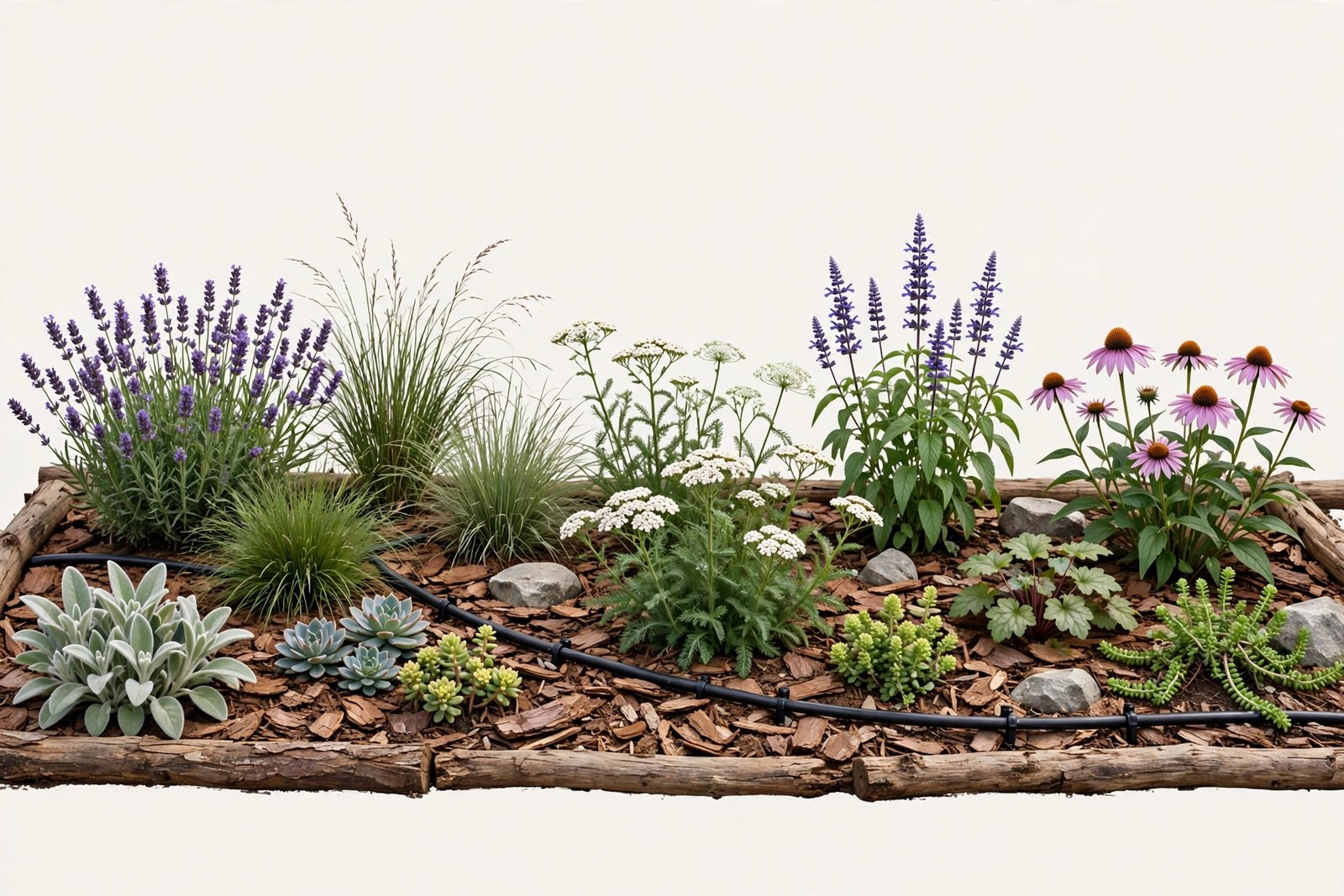
The easiest garden to work in is the one that needs the least work, and a little planning now saves a lot of bending later. Choose plants that thrive with little attention: hardy perennials that come back year after year, shrubs that hold their shape without constant pruning, and vegetables like courgettes, beans and herbs that grow happily with minimal fuss. A plant that suits your soil and your climate will need far less of you than one that is struggling.
Mulch is your best friend. A thick layer of bark, compost or straw over the soil keeps the moisture in, keeps the weeds down and feeds the soil as it breaks down — and fewer weeds means far less bending to pull them. Lay the mulch in spring, top it up once a year, and the beds will largely look after themselves. Ground-cover plants do the same job in a prettier way: a low, spreading plant that covers the soil leaves no room for weeds at all.
Make watering easy. A drip irrigation system or a soaker hose laid along the beds waters the plants slowly and evenly without you having to carry a can at all — just turn on the tap and let it run. A water butt near the beds, with a tap at a comfortable height, saves the walk to the tap and the lifting of heavy cans. And water in the morning or the evening, when the water soaks in instead of evaporating, so the plants get the full benefit of every drop.
Finally, accept a garden that is a little wild. A perfect lawn and a weed-free bed demand constant bending and lifting, while a garden with a few wild corners, a meadow patch or a shrubbery that is left to grow is beautiful in its own way — and far kinder to your back. The best garden is not the tidiest one; it is the one you can enjoy working in, season after season, without paying for it the next day.
Final Thoughts
Gardening with a bad back is not about doing less of what you love — it is about doing it differently. Raise the beds to waist height, use long-handled and lightweight tools, work in short sessions with breaks, and plan a garden that looks after itself. Each change is small, and together they make the garden a place of pleasure again rather than a source of pain.
Start with one raised bed or one set of long-handled tools, and see how it feels. And if your back is troubling you, talk to a doctor or a physiotherapist first, so you know what is safe for you. The garden will wait — and with the right setup, it will be there for you to enjoy for years to come.
More Guides You’ll Like
For the gadgets that make all of this easier — raised bed kits, long-handled tools, ergonomic secateurs and more — see our product guide to the Best Garden Gadgets for People with Bad Backs, which rounds up twelve picks chosen for comfortable gardening. And for comfortable working at a desk too, Best Gadgets for Desk Workers with Back Pain covers the chairs, supports and tools that ease a sore back indoors.
Frequently Asked Questions
What is the best garden setup for a bad back?
Waist-high raised beds or containers on stands, so you can garden standing upright with a straight back. Narrow beds you can reach across without stretching, a seat nearby for breaks, and tools with long handles are the combination that strains a back least.
Which garden tools are easiest on the back?
Long-handled tools that let you work standing up, lightweight heads that are easy to control, ratchet secateurs that cut with less force, and a wheelbarrow or trolley for moving anything heavy. Keep the tools sharp too — a sharp tool needs far less effort than a blunt one.
How long should I garden with a bad back?
Short sessions of twenty to thirty minutes, with a break in between, are far kinder than one long stint. Stop if you feel sharp pain, and see a doctor or a physiotherapist if pain spreads, does not ease after rest, or you are unsure what is safe for you.
How can I reduce weeding and bending in the garden?
Mulch the beds thickly to keep weeds down, use ground-cover plants to shade the soil, and choose hardy plants that need little attention. A drip irrigation system also cuts the daily carrying of watering cans, so the garden needs less of you altogether.